




 Back
Back
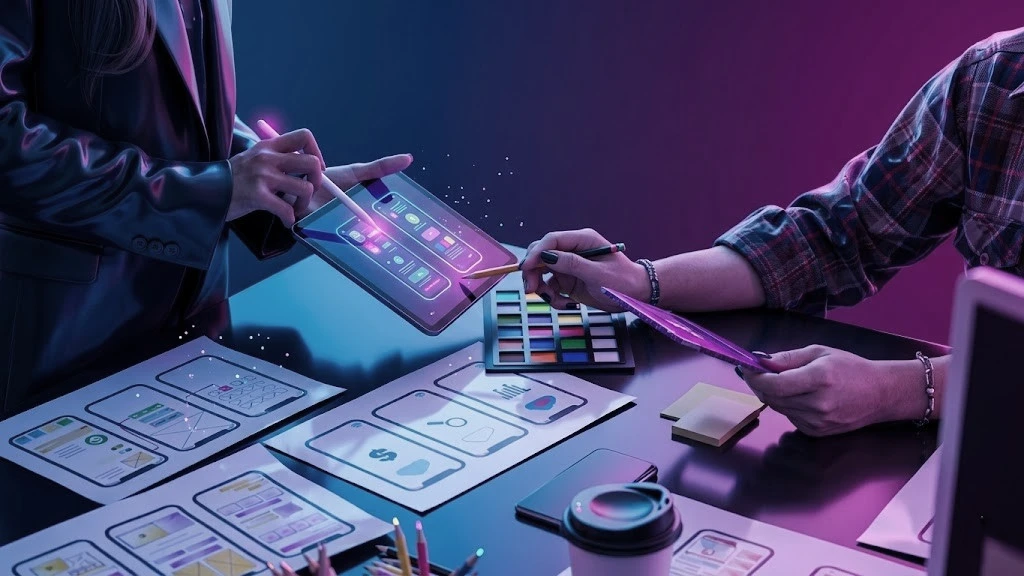

Design permeates every aspect of our lives. It’s in the toothbrush you reach for in the morning, the cup from which you sip your coffee, the route you take to the office, and even the bedside lamp you switch off at the end of the day. Your daily activities flow smoothly, largely due to the thoughtful design behind the tools and objects you interact with.
Countless anecdotes illustrate how design serves as the bedrock for numerous industries and organizations, profoundly shaping the final products or services they deliver. A dedicated design team forms an integral part of any organization, working hand in hand with other professionals. Experimentation worldwide consistently demonstrates the significant impact of design on the reception of products.
But what exactly is design? At its core, design is about solving problems. It entails creating products or services that align with users’ needs, are intuitive to use, and evoke emotional resonance. Think of the watch passed down to you by your father, or the app you eagerly recommended to a friend. These items hold value because they seamlessly integrate into your life. A beautifully crafted watch not only adds elegance to your attire but also garners admiration from others. Yet, its primary function remains telling time.
However, what happens if you awaken in the dead of night and reach for your watch, only to inadvertently drop it on the floor? This scenario highlights a crucial aspect of design—minimizing friction. Even the most aesthetically pleasing and functional designs can falter if they introduce unnecessary hurdles or complications into users’ lives.
