
Senior Living Software

Introduction: The Digital Evolution of Senior Living

Senior Living Software-og

According to the 2020 Census Report, by 2030, the U.S. will have more adults over 65 than children under 18. This demographic shift is termed the “Silver Tsunami”.

This reality is already visible across the senior care industry through rising occupancy demand, staffing strain, and the increasing complexity of care needs in assisted living and independent living communities.

With this sudden boom of the senior population, caregivers have more on their plates than ever before. They spend more time managing documentation than on their primary work of caregiving. At the same time, families expect transparency and personalized care experiences for their loved ones.

To meet these growing demands, senior living communities are adopting health tech solutions.  Solutions that can help communities improve operational efficiency and deliver more personalized experiences. Specifically designed for senior living communities, a modern senior living platform is an integrated set of tools including EHR, CRM, scheduling, procurement, resident engagement, and billing.

The right senior living software solutions balance two things that often feel in tension: clinical precision and a genuine home-like environment.


Key Takeaways

  • Senior living management software reduces administrative burden and supports regulatory compliance across care settings.
  • Customized senior living EHR software outperforms general healthcare EMRs for documentation accuracy and survey readiness.
  • Senior living CRM software shortens the lead-to-move-in cycle and improves occupancy forecasting.
  • Staff scheduling software senior living reduces agency dependency and helps maintain mandated care ratios.
  • Resident engagement, procurement, billing, and analytics modules work best when integrated on a single platform.
  • The right software choice depends on community size, care level mix, budget, and existing systems.


Why Your Community Needs Dedicated Senior Living Management Software?

Communities that switch from manual processes to integrated senior living management software typically see documentation time drop by 30-40% within the first quarter.

The case for dedicated software comes down to four problems in communities still running on fragmented systems:

  • Manual paperwork and fragmented systems: When a caregiver finishes a shift, they often spend 45 minutes at a nursing station documenting what happened six hours ago from memory.
  • Scheduling inefficiencies: Senior living staffing software powered by smart scheduling helps efficiently assign staff. When supervisors can see coverage gaps, they fill them with their own staff instead of agency nurses at three times the hourly rate.
  • Communication gaps between caregivers and families: Families who are unable to contact staff or receive vague updates become a source of grievances, negative reviews, and early move-outs.
  • Limited visibility into operations and resident care: Without consolidated reporting, leadership is always looking backward. By the time a trend in fall incidents or medication errors surfaces in a manual audit, it’s already a survey risk.

Different Senior living communities, such as Assisted living, independent living, and memory care, all operate under different regulatory frameworks. The best senior living software is configurable enough to serve each care setting without forcing operators to run separate platforms.


The Core Pillars of a Comprehensive Senior Living Solution

Resident  Health & Senior Living EHR Software

Senior living EHR (Electronic Health Record) software is different from a traditional hospital EMR (Electronic Medical Record).

General-purpose EMRs handle episodic, physician-driven encounters such as hospital visits and diagnoses. Meanwhile, Senior living EHR handles long-term resident care. Nurses and CNAs document ADL assistance, behavioral observations, medication rounds, and functional assessments.

Key capabilities of purpose-built senior living EHR include:

  • eMAR with barcode verification – Reduces medication errors at the point of administration.
  • ADL tracking and functional decline alerts – Identifies patterns before they become clinical crises.
  • Real-time vitals and incident reporting – Immediate documentation with automatic notifications to the care team.
  • HL7/FHIR interoperability – HL7 and FHIR are healthcare data standards that help different healthcare systems exchange patient information securely. It maintains continuity of care when residents move between healthcare providers.
  • Survey readiness – Every care interaction is audit-logged and available in organized reports when surveyors arrive.

Senior Living CRM Software – Managing the Long Sales Cycle

The average family takes 90 to 120 days from first inquiry to signed move-in agreement. Senior living CRM software structures that process: it tracks every touchpoint, automates follow-up sequences, schedules tours, and scores leads based on engagement.

Features to look for include:

  • Lead scoring
  • Multi-touch nurture automation
  • Referral source attribution
  • Family engagement tools,
  • Integration with marketing platforms

CRM data connects to occupancy dashboards. In effect, leadership can gain insights

into which referral sources actually convert.

Senior Living Property Management Software

Senior living property management software helps senior living communities handle maintenance work orders, preventive maintenance scheduling, unit inspection workflows, and turnover tracking.

Thereby reducing the time it takes to turn a vacant unit from weeks to days.

For independent living communities, lease management adds unit pricing, lease renewals, rent escalations, and occupancy reporting.  When property management data is integrated with the resident record, operators get a complete picture in one place.

Senior Living Scheduling Software & Staff Management

Caregiver turnover in senior care averages 65% annually in many markets. Mobile-first staff scheduling software senior living addresses the major causes: Inflexible scheduling, mandatory overtime, and last-minute shift changes.

Key features include:

  • Self-scheduling portals – Staff view open shifts and submit availability without calling a supervisor.
  • Shift swap management — Peer-to-peer swaps within approved parameters, reviewed for ratio compliance.
  • Credential tracking and expiration alerts — Prevents a lapsed CNA certification from appearing on a schedule.
  • Shift optimization – Automated coverage recommendations based on census, acuity, and historical patterns.
  • Payroll integration and Payroll Based Journal reporting — Approved schedules flow directly into payroll and CMS Payroll Based Journal submissions.

Senior Living Resident Engagement Software

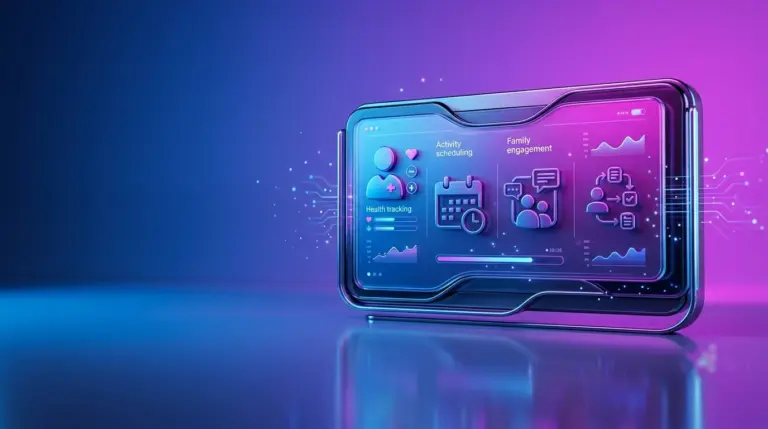
Engaged residents have longer lengths of stay, lower hospitalization rates, and generate more family referrals. Senior living resident engagement software provides activity directors with the infrastructure to deliver programming consistently: digital activity calendars, RSVP and attendance tracking, family communication portals, and wellness tracking that feeds into the clinical record. When a resident stops attending programs they used to enjoy, that’s a clinical signal — and the engagement platform is what surfaces it.

Senior Living Procurement Software

A 100-bed community can spend $2M+ annually on food service, medical supplies, housekeeping, and maintenance, most of it informally, without visibility or controls. Senior living procurement software brings structure to that spend:

  • Approved vendor catalogs with pre-negotiated pricing.
  • Digital purchase orders (PO) with role-based approval workflows.
  • Three-way matching – PO, receiving record, and invoice reconciled before payment is approved.
  • Spend analytics by category, department, and vendor.

For multi-site operators, centralized procurement management creates the leverage to negotiate volume-based contracts and enforce purchasing policy consistently.

Billing & Financials

Billing in senior care is complex — Private pay, Medicaid, long-term care insurance, and VA benefits (Assistance for eligible veterans) often coexist in a single community. A well-designed billing module handles:

  • AR/AP (Accounts Receivable/Accounts Payable) management – Automated Charge capture, payment posting, and aging reports.
  • Census-driven billing — charges auto-populate when care levels change, eliminating revenue leakage.
  • Medicaid and insurance workflows — state-specific claim submission, denial management, and remittance processing.
  • Private pay invoicing — automated monthly statements with payment portal integration.
  • Multi-site financial rollup – consolidated P&L across all communities accessible in real time.

The month-end close that once took a week can happen in a day when billing is integrated with the rest of the platform.

Analytics & Reporting

Strong analytics within a senior living platform gives different roles different visibility:

  • Occupancy dashboards – Real-time and trended data by unit type, care level, and move-in/move-out velocity.
  • Staffing ratio reporting – Live nurse-to-resident ratios by shift and wing, with compliance alerts before ratios breach mandated thresholds.
  • Clinical quality metrics- Fall rates, medication error trends, hospital readmission rates, and incident patterns tracked over time.
  • Financial performance – Revenue per occupied unit, labor as a percentage of revenue, agency spend, and budget vs. actual by department.
  • Custom report builder – Role-specific dashboards so a Director of Nursing, executive director, and ownership group each see what matters to their decisions.

At Experion, our senior living software development teams embed analytics architecture from day one – so the data your platform collects becomes intelligence your leadership team can act on.


Enhancing the Resident Experience through Technology

Technology in senior care often gets discussed purely in operational terms. But the resident experience is where it shows up most visibly.

  • Beyond care delivery: Senior living resident engagement software creates the digital layer of a community’s social life — resident-facing activity boards, interest-based programming, and communication tools that reduce isolation.
  • Family transparency: Families who can log in to a portal, view activity participation, read care notes, and message the care team directly are far less anxious — and far less likely to call the front desk three times a week. That transparency also accelerates the sales process.
  • Integrated wellness tracking: Senior living solutions that connect physical activity data, dining participation, and social engagement to the clinical record provide care teams with a longitudinal picture of resident well-being that point-in-time assessments miss entirely.

Types of Senior Living Communities That Use These Platforms

Senior living software isn’t one-size-fits-all. Different care settings need different configurations depending on the level of care delivered.

Assisted Living Facilities

The documentation volume in assisted living is high: Daily care coordination, medication administration, incident tracking, and care plan updates that must hold up in a state survey. (A state survey is an official inspection conducted by the state government.)

Assisted living software built for this setting handles that density without creating a documentation burden that drives caregivers out.

Independent Living Communities

Independent Living residents chose a community, not a care program.

Software for independent living puts lifestyle management at the center: activity programming, dining preferences, amenity scheduling, and the family communication tools that make the community worth recommending.

Memory Care Communities

Memory care requires safety monitoring that other settings don’t:

Door and wander alerts, behavioral documentation, and care workflows designed for residents who can’t reliably communicate their needs.

The software needs to surface the right clinical triggers fast and support workflows that memory care teams actually use day to day.

Continuing Care Retirement Communities (CCRCs)

A CCRC campus may house residents at IL( Independent Living), AL (Assisted Living), memory care, and skilled nursing levels simultaneously.

The platform challenge is keeping a single resident record that follows a person across care levels, while supporting distinct clinical and operational workflows at each level — and then rolling it all up into unified billing and reporting for the organization.


Partner with us to develop customized Senior Living Software for your community


Top Benefits of Implementing Senior Living Software Solutions

  • Operational efficiency — Documentation time drops, manual processes shrink , and staff spend more time on care.
  • Cost reduction – Agency labor costs fall when scheduling is proactive, procurement controls stop budget leakage, and billing cycles shorten.
  • Compliance assurance – Documentation is audit-ready by default. Care plan deviations trigger alerts rather than showing up during surveys.
  • Staff satisfaction — Tools that work on mobile, don’t require double entry, and give staff control over their schedules reduce daily friction.
  • Revenue growth — Faster move-in cycles, better occupancy retention, and referral generation from satisfied families.
  • Family trust — Families that have visibility into care stay calmer, complain less, and refer more.
  • Improved Resident Care Quality- Real-time clinical data and early-warning alerts support better decisions before situations escalate.
  • Increased Occupancy and Revenue Growth- Better sales tools, faster onboarding, and a resident experience worth talking about all contribute to census.


Ready to cut admin time and reduce agency spend?

Let’s talk about what the right senior living platform looks like for your community


How to Evaluate Senior Living Software Vendors ?

Short checklist

  • Integration capabilities – Does the EHR connect natively to CRM, scheduling, billing, and payroll, or does each connection require custom middleware?
  • Compliance and security – HIPAA-ready, SOC 2 certified, with full audit trails and documented breach notification procedures.
  • Usability – Does it work for a CNA on a tablet during a shift, or only for an administrator at a desktop?
  • Implementation and support – Who specifically manages the implementation on the vendor’s side, and what does the first 90 days look like?
  • Pricing model – Per-resident, per-user, or bundled; and what happens to the price when you add communities or care levels?

Top Questions to Ask Any Vendor

  1. Who owns the data if we end the contract?
  2. What is your uptime SLA, and how do you handle downtime incidents?
  3. Can we talk to three current clients: Communities of our size with the same care mix?
  4. Who leads implementation on your team, and what does the onboarding timeline look like?
  5. How do you handle state-specific regulatory updates when requirements change?
  6. What’s on your product roadmap for the next 12 months?
  7. How does your system handle Medicaid billing in our state specifically?
  8. What integration support do you provide for our existing payroll and pharmacy systems?
  9. What training is included, and how is it delivered for frontline staff?
  10. Have any of your clients undergone a state survey while using your platform? What were the outcomes?


Senior Living Solutions: Implementation Roadmap

A failed software implementation has adverse effects, as it disrupts the entire care delivery system and erodes staff trust, which is hard to rebuild.  The following is a phased approach:

Stakeholder interviews and requirements

Talk to the people who will use the system before choosing it.

For example, a nursing assistant, charge nurses, activity directors, billing staff, and administrators all have different workflows and frustrations.

Map the current workflow before deciding on what the new system needs to do.

Vendor shortlist & demos

Compare two to four vendors against your documented requirements. Run demos using real scenarios from your community. This could be a care plan update, a shift swap, or a billing reconciliation.

Data migration plan

Clean your data before migrating it. Legacy systems accumulate years of inconsistencies.

A migration plan defines what moves, what gets archived, and how records are validated post-transfer. Skipping this step creates problems that appear weeks after go-live.

Pilot and training

Pilot on one wing or department before rolling out elsewhere.

Use real staff and real workflows. The edge cases that break the system are much easier to fix when they affect 20 people rather than 200.

Go-live and Hypercare

The first 30 days after launch need dedicated support from both the vendor and an internal point of contact. Staff will be able to detect scenarios the pilot didn’t cover. A clear escalation path means those get resolved quickly instead of becoming workarounds.

Continuous improvement and quarterly reviews

Software implementation lacks a finish line.

Quarterly reviews need to be conducted. This is to check adoption rates and surface feature gaps, and to adjust for any regulatory changes to keep the platform delivering value.

Common Integration Scenarios

The value of a senior living platform grows when it connects to the adjacent systems that staff already use.

Integrations operators prioritize:

  • EHR to Pharmacy: Medication orders go directly to the pharmacy,, and fill confirmations are automatically returned to the eMAR (Electronic Medication Administration).
  • CRM to Marketing automation: Lead data syncs to email nurture sequences; Campaign results tie back to which sources actually generate move-ins.
  • Scheduling to Payroll: Approved schedules convert to time records without manual entry, and overtime flags appear before the hours are worked.
  • Billing to Medicaid portals: Claims are automatically submitted and reconciled, with state-specific formatting handled by the system.
  • EHR to Hospital systems: FHIR-based data exchange supports care transitions without relying on faxes or phone calls.


Use Cases

Assisted Living Community: Fewer Medication Errors After EHR Adoption

A 90-bed assisted living community in the Midwest went live with senior living EHR software that included eMAR and barcode verification. Six months later, reported medication errors had dropped by 62%.

Nurses said the difference came from real-time verification at the medication cart – the system caught discrepancies that paper MARs missed because they required a nurse to catch them manually.

The community’s next state survey had no medication-related deficiencies.

Independent Living Community: Occupancy Gains Through CRM and Engagement

A regional operator with three independent living communities deployed both a senior living CRM and a resident engagement platform during the same implementation. Lead-to-tour conversion improved by 28% after automating follow-up sequences that previously depended on individual counselor habits.

On the retention side, linking activity attendance data to family portals correlated with longer stays: residents whose families used the portal regularly stayed about 4 months longer on average.


 How to Choose the “Best Senior Living Software” for Your Community?

Requirements vary depending on the facility.

The best senior living software for a 60-bed assisted living facility in a rural market has different requirements than the right platform for a 12-community portfolio with mixed care levels and centralized finance.

A practical decision framework:

Factor What to Assess
Community size Single-site vs. multi-site

This determines reporting complexity, user management, and pricing structure.

Care level mix IL only, AL only, or continuum

Drives how deep the clinical modules need to go.

Budget Total cost including implementation, training, and annual licensing

Not just the monthly SaaS fee.

Existing systems What you’re replacing vs. what stays and needs to integrate
Staff tech comfort Mobile-first or desktop-primary

Affects training time and adoption risk.

Growth plans Whether the platform’s architecture supports adding communities or care levels


One thing that gets underweighted in vendor evaluations: ease of use for frontline staff. A platform that your CNAs won’t consistently adopt will underperform a simpler system they actually use. Involve frontline staff in the selection process.

Scalability matters most if growth is on the horizon. Ask about architecture, not features. A platform that handles five communities well may not handle fifty, and finding that out two years into a contract is an expensive lesson.


How Experion Could Offer Support in Developing Senior Living Software?

Experion builds custom senior living software for operators who have outgrown what off-the-shelf platforms offer or whose workflows don’t cleanly map to a vendor’s standard product.

Our teams have hands-on experience across the full operational stack of senior care, and we build those modules to function as a unified platform rather than a collection of integrated third-party tools with their own quirks and data models.


Future Trends in Senior Living Platform

  • AI-powered fall risk prediction- Models trained on vitals, movement data, and incident history can flag high-risk residents before falls happen; this capability is already embedded in some senior living EHR platforms.
  • Remote Patient Monitoring- Wearables and in-room sensors feed continuous health data into the EHR without requiring staff collection. Hence, the data is there when the care team needs it.
  • Voice-Enabled Resident Interaction- Conversational interfaces let residents request assistance or contact family without needing to navigate a screen. This is useful for residents with mobility or vision limitations.
  • Telehealth integration– Virtual physician visits and remote specialist consultations embedded directly in the EHR. This means fewer transport-related hospitalizations for residents who don’t need to leave the community.
  • Predictive StaffingDemand forecasting built from census trends, seasonal patterns, and historical data builds better schedules before any gaps appear.
  • IoT and smart building integration: IoT enables devices in a senior living facility to collect data and send it to the resident’s EHR. A smart bed can detect when a person is trying to get out of bed at night. Environmental sensors can track room temperature and pressure. A door sensor can alert caregivers if the resident wanders outside. Hence, caregiving staff need not manually check everything.
  • FHIR interoperability: As healthcare data exchange standards mature, senior living EHR systems will connect more cleanly to hospital networks, payer systems, and specialist platforms.


Whether you’re replacing a legacy system or building from scratch, Experion’s team is ready to map out your next step


Conclusion – The Right Technology Makes Every Part of Your Operation Better

Senior living software is the operational infrastructure of your senior living community. It determines whether it can grow without incurring proportional overhead, deliver care consistently, retain good staff, and compete seriously for families’ business, making one of the most consequential decisions of their lives.

The communities gaining ground in this market tend to share a few things: tight operations, staff with the tools to do their jobs without daily frustration, and a clear data picture to make decisions before problems become crises.

Software doesn’t create any of that on its own. But the right senior living software solutions remove enough friction that the people doing the actual work can deliver on what your community promises.

Telemedicine App Development

Imagine receiving medical consultations from the comfort of your home. A smartphone and a stable internet connection are the only things needed. This is the essence of telemedicine.

Gone are the days when every health concern required an in-person hospital visit. Today, many medical providers recommend telemedicine consults for non-emergency cases where visiting a clinic may not be necessary.

In the last few years, telemedicine use has increased.  The global telemedicine market is expected to reach $380 billion by 2030. The COVID-19 pandemic and the subsequent widespread lockdown propelled this growth.

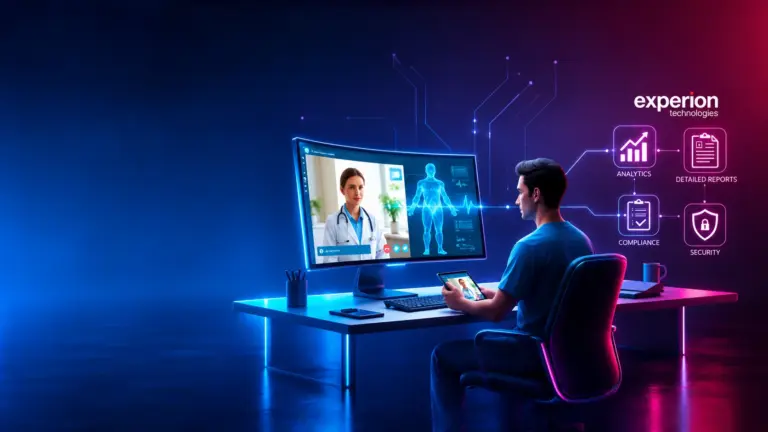
A telemedicine app is the front end for a remote clinical meeting- video calls, secure messaging, appointment scheduling, and e-prescriptions in one place. Patients, providers, and administrators share the same platform.

The terms telehealth and telemedicine are used interchangeably.  Telemedicine refers specifically to remote clinical services: Diagnosis, treatment, and prescriptions delivered by licensed providers. Telehealth is a broader term covering non-clinical services too – patient education, wellness programs, remote monitoring, and administrative functions. Understanding this distinction matters because it shapes your compliance requirements and feature scope.

Telemedicine App Development-og

Key Takeaways

  • Telemedicine app development in 2025 is not simply video calling with a privacy policy. It requires clinical workflow design, EHR integration, and compliance engineering from day one
  • A well-built platform primarily serves three distinct user groups: patients, providers, and administrators. Each has different needs that can’t be treated as an afterthought.
  • Development follows a defined sequence. Skipping steps doesn’t save time; it shifts the cost downstream.
  • Costs run from $30K for a basic MVP to $400K-plus for an enterprise custom solution, depending on complexity
  • The vendor decision matters as much as the technical build. The wrong development partner costs more in remediation than you saved on development fees.
  • HIPAA and GDPR are not simply legal formalities but architectural requirements with serious financial penalties.


Table of Contents

  1. Core Features of a Modern Telemedicine App
  2. How to Develop a Telemedicine App: Step-by-Step
  3. Telemedicine App Development Cost
  4. Telemedicine App Development Solutions for Different Healthcare Businesses
  5. Telemedicine Mobile App Development Technologies
  6. Compliance and Security in Telemedicine Software Development
  7. Best Practices for Successful Telemedicine App Development Solutions
  8. Challenges in Telemedicine Application Development
  9. Future of Telemedicine Software Development Services
  10. Real-World Use Cases
  11. How to Choose a Telemedicine App Development Company
  12. How Experion Technologies Is a Trusted Telemedicine App Development Partner
  13. Conclusion
  14. Frequently Asked Questions


Core Features of a Modern Telemedicine App

Platform needs to cater to three distinct user groups: Patients, doctors, and system administrators.

The Patient App Experience

Most patients do not read documentation or attend training sessions. If they can’t figure out how to book an appointment in under two minutes, many of them won’t come back. So the patient side of the platform has to be both secure and completely frictionless.

  • Simple Registration & Profiles: A streamlined onboarding process is essential. Most telemedicine apps support Multi-factor authentication (MFA), Biometric login using fingerprint or facial recognition, Secure patient profile management, Structured medical history records, and storage of insurance and emergency contact information.
  • Doctor Search and Appointment Scheduling: Patients should be easily able to search for healthcare professionals based on:
    a. Specialization
    b. Availability
    c. Consultation fees
    d.Languages spoken
    e. Ratings and reviews

In addition, there should be real-time scheduling systems that allow efficient scheduling and a view of doctor availability across multiple time zones.

  • High-Definition Video Consultation & Chat: Secure communication includes HD video consultations, File and report sharing, and End-to-end encryption. Numerous platforms use WebRTC technology to deliver secure video consultations through web applications.
  • Secure Payment Integration: Integrated payment systems simplify the consultation process for healthcare providers. Telemedicine apps support
    a. Credit and debit cards
    b. Digital wallets
    c. UPI and localized payment methods
    d. Insurance claim processing
    e. Automated invoice generation
  • Notifications and Reminders

Automated notifications help improve patient appointment engagement through various   means, such as Appointment reminders, Prescription alerts, Follow-up notifications,      Payment confirmations,and Health monitoring alerts.

  • Doctor and Patient Ratings and Reviews: Let patients choose doctors based on previous reviews and user experiences.
  • Emergency Service Integration: Some advanced telemedicine platforms integrate with emergency response systems, allowing patients to quickly access emergency contacts or ambulance services during critical situations.

The Doctor App Experience

A well-designed doctor’s interface lets the healthcare professional focus more on patient care and less on manual processes.

  • Verified Professional Profiles: The doctor’s profile should display all of their Medical qualifications, Clinical specializations, certifications, licenses, and Years of experience. Verified profiles improve trust and credibility.
  • EHR/EMR Integration: Direct access to Electronic Health Records (EHR) to review medical histories and log diagnostic notes during a consultation.
  • E-Prescribing Tools: Digital prescription systems enable doctors to generate and share prescriptions electronically with pharmacies or patients directly. This reduces paperwork and improves the efficiency of prescription management.
  • Calendar Management: Dynamic scheduling dashboards to manage clinical hours, track completed sessions, and avoid double-booking.
  • Consultation notes: Platforms should allow doctors to securely record clinical observations, diagnoses, treatment plans, and follow-up recommendations during or after consultations.
  • Specialist Referrals: This feature allows a general practitioner to refer a patient to a specialist.

The Admin Dashboard

The admin dashboard acts as the operational backbone of the telemedicine platform.

  • User Management: Admins handle many functions- Patient account management, Role-based permissions, Secure data backups, and doctor credential verification.
  • Analytics and Billing: These tools help generate financial invoices, track consultation volumes, and monitor overall app performance metrics.
  • Content moderation: Admins should also be able to manage inappropriate content, fake profiles, and user-reported issues.
  • Compliance monitoring: Healthcare platforms must continuously monitor compliance with regulations such as HIPAA, GDPR, and regional healthcare laws.

Advanced Features

  • Remote Patient Monitoring: Wearable and device integrations that stream biometric data(blood glucose, cardiac metrics, blood pressure) directly into patient records. This is where telemedicine shifts from episodic care to ongoing clinical management.
  • Multi-language support: Supporting multiple languages improves accessibility and serves diverse populations across different regions.
  • Voice assistance: AI-powered voice assistants can help users book appointments and set medication reminders. Voice support improves accessibility for elderly users and patients with disabilities.
  • Group Consultations: Some platforms also support multi-user consultations, in addition to patient consultations. These may be their family members, caregivers, etc.


How to Develop a Telemedicine App : Step-by-Step?

Step 1: Market Research & Compliance Planning

Define your target population clearly before anything else. Analyze competitor platforms to identify gaps your platform can fill. Most importantly, consult with regulatory experts before design begins to map your specific compliance requirements.

HIPAA obligations vary based on your data architecture. Discovering a structural compliance gap six months into development is expensive.

Step 2: UI/UX Prototyping

Healthcare apps have a user problem that most product teams skip past: your users might be scared, in pain, or have never opened a smartphone app before.

The standard checklist – large tap targets, high-contrast visuals, simple navigation, low cognitive load – exists for real reasons. An anxious patient waiting for test results won’t work around a cluttered interface. An elderly user with a tremor can’t reliably hit a 32px button. These aren’t edge cases; they’re your core users.

WCAG 2.1 (Web Content Accessibility Guidelines) is the baseline standard for accessibility across visual, hearing, and cognitive impairments. Most teams treat it as a compliance audit before launch. It should be in the design brief from day one, sitting next to the wireframes.

Step 3: Architecture Design & Tech Stack Selection

A production-ready telemedicine technology stack typically includes:

Layer Recommended Technologies Purpose
Frontend React Native, Flutter Cross-platform telemedicine mobile app development for iOS and Android
Backend Node.js, Python (Django/FastAPI), .NET Business logic, APIs, authentication, scheduling, and data processing
Database PostgreSQL, MongoDB Structured patient records and flexible medical document storage
Video Infrastructure Twilio Video, Agora, WebRTC Secure HD video consultation and real-time communication
Cloud Infrastructure AWS HealthLake, Azure Health APIs, Google Cloud Healthcare API Scalable healthcare cloud hosting and compliant data management
Security Layer AES-256 Encryption, OAuth 2.0, Two-Factor Authentication Protection of sensitive healthcare and patient information
Interoperability Standards HL7 FHIR, DICOM Secure EHR/EMR integration and medical imaging compatibility

In case consultations grow, the platform should be able to match accordingly. Hence, the architecture should be cloud-native and microservice-ready. A well-planned telemedicine application development architecture improves performance and enables faster future feature expansion.

Step 4: MVP Development & Third-Party Integrations

Begin by developing the Minimum Viable Product (MVP).  Start with the three core workflows: video consultation, appointment scheduling, and payment processing.

A focused MVP reaches clinical users faster and generates real feedback quickly. It reduces the investment risk of building features that nobody needs. EHR integrations should run in parallel as a workstream.

Step 5: QA Testing and Security Audits

Simply performing functional testing is not enough, especially when it comes to a platform that handles medical data. Penetration testing, vulnerability scanning, load testing under concurrent user conditions, and user acceptance testing with actual clinical staff are all required before launch.

Load testing is particularly important to ensure stable video consultation performance during concurrent usage spikes.

Step 6:  Deploy and maintain the app

Deployment is only the beginning of the telemedicine app development lifecycle. Continuous monitoring, maintenance, and optimization are essential for long-term platform stability.

Post-launch activities typically include:

  • Performance monitoring
  • Security patching
  • Infrastructure scaling
  • Bug fixing
  • Analytics tracking

Healthcare regulations, user expectations, and technology standards evolve continuously.


Whether you are building for a multi-specialty hospital network or a single-specialty clinic, Experion’s telemedicine app development services are architected around your specific care model.


Telemedicine App Development Cost

The overall cost depends on feature complexity, platforms supported, integration requirements, compliance architecture, and your development team’s location. Here’s a realistic breakdown:

App Type Key Features Estimated Cost
Basic MVP Video consult, scheduling, payments $30,000 – $60,000
Mid-Complexity Platform Full features, EHR integration, RPM $60,000 – $150,000
Enterprise Custom Solution Multi-specialty, AI features, full compliance $150,000 – $400,000+

Key cost drivers include the depth of EHR integration, compliance architecture requirements, number of platforms (iOS, Android, web), real-time video infrastructure, and third-party API licensing.

Another factor is Build vs. Buy: White-label telemedicine platforms are cheaper upfront but underdeliver for organizations with specific clinical workflows, scaling ambitions, or compliance requirements. Custom telemedicine app development solutions deliver better long-term economics for any organization planning to grow.


Not sure what your telemedicine platform will cost?

Get a free estimate from Experion


Telemedicine App Development Solutions for Different Healthcare Businesses

There’s no universal telemedicine platform. What a hospital network needs looks very different from what a pediatric practice or a corporate wellness program needs. Getting this right means understanding the care model before scoping the features.

Hospitals and Clinics

Multi-provider scheduling, department-level analytics, deep EHR integration, and multi-location management are crucial for hospital networks. Platform uptime must be maintained, as it is a clinical operations requirement. When a hospital’s telehealth system goes down, patient care is affected.

Mental Health and Therapy Platforms

Mental health platforms carry risks that most healthcare apps don’t. A leaked medication list is damaging. A leaked therapy transcript – or a crisis flag tied to someone’s name – is a different kind of harm.

HIPAA is a starting point. These apps deal with mood tracking data, asynchronous messages between sessions, and crisis escalation flows. Each has its own exposure surface. Who can see a patient’s mood logs? How does a crisis flag get routed without leaking context to the wrong clinician? These aren’t hypothetical questions.

Therapist credentialing is easy to deprioritize in early builds. It shouldn’t be. Verifying licenses, tracking expiry, logging who reviewed what – these feel like admin problems until something goes wrong, at which point they become legal ones.

Fitness and Wellness Apps

Though these apps sit at the telehealth end of the spectrum, the core requirements overlap. These include wearable integrations, personalized recommendation engines, and nutrition or fitness tracking alongside optional practitioner consultations.

Elderly Care and Chronic Disease Management

Accessibility is the primary design constraint, not an afterthought. Large fonts, simplified navigation, voice assistance, and caregiver access features determine whether elderly patients actually use the platform. RPM integrations for blood pressure, glucose levels, and cardiac metrics are central to the clinical value.

Pediatric Telemedicine Platforms

Parental consent workflows, a child-friendly UI, pediatric-specific clinical templates, and growth-tracking modules make this a genuinely specialized build. For these platforms, Generic telemedicine development experience isn’t enough – the clinical requirements are specific, and the regulatory obligations around minors add additional complexity.

Corporate Healthcare Solutions

Corporate healthcare solutions require

  • HR system integrations
  • Anonymized aggregate health analytics for employers
  • Seamless insurance billing
  • Low-friction appointment booking.

Employee adoption is the metric that determines whether a corporate telehealth program survives its first contract renewal. Speed to appointment matters more here than almost anything else.


Telemedicine Mobile App Development Technologies

Native vs Cross-Platform Development

Most mobile app developers face this dilemma: Native vs. cross-platform development. Native development – Swift for iOS, Kotlin for Android – gives you the highest performance ceiling and the deepest device integration. It also doubles your development effort and your maintenance cost going forward.

For most telemedicine mobile app development projects, cross-platform development frameworks like Flutter or React Native deliver 80 to 90 percent code reuse with performance good enough for clinical use. The cases where native is worth the premium are platforms with complex hardware integrations or very demanding real-time requirements.

Cloud Infrastructure for Telehealth Apps

Cloud infrastructure such as AWS HealthLake, Azure Health APIs, and Google Cloud Healthcare API are built especially for this. It natively supports FHIR, including HIPAA-eligible service configurations, and significantly reduces compliance engineering overhead compared to building on generic cloud infrastructure.  The cloud platform choice is a long-term architectural decision; migrating later is expensive.

AI and Machine Learning Integration

Some features include:

  • Symptom checkers that route patients to appropriate care levels before any physician is involved
  • Drug interaction flagging during e-prescribing
  • Ambient documentation AI that converts consultation audio to structured clinical notes

IoT and Wearable Connectivity

Apple Watch, Fitbit, CGM devices, and connected blood pressure monitors – these extend clinical value beyond the consultation window in ways that genuinely change care models for patients with chronic disease. This is where telemedicine starts to look less like a digital replacement for in-person visits and more like something new.

Cybersecurity Technologies in Telemedicine

Cybersecurity is the most critical aspect of telemedicine software development. Since Healthcare platforms handle highly sensitive patient data, they are a prime target for cyberattacks.

Key cybersecurity technologies used in telemedicine platforms include:

  • Zero-trust security architecture: In a zero-trust security architecture, every user, device, and API request is continuously authenticated and validated before access is granted.
  • AES-256 encryption for data in transit and at rest: Advanced Encryption Standard (AES-256) protects patient data in transit and at rest. Hence, sensitive medical records, video consultations, prescriptions, and messages remain protected from interception or breaches.
  • OAuth 2.0 for API authentication: OAuth 2.0 provides secure authorization for APIs without exposing user credentials.
  • DDoS protection: Distributed Denial-of-Service (DDoS) attacks can overwhelm healthcare systems and disrupt access to critical medical services. Robust DDoS protection mechanisms help ensure platform availability and business continuity.


Compliance and Security in Telemedicine Software Development

HIPAA Compliance Requirements

Any US-market telemedicine platform that handles Protected Health Information (PHI) must be HIPAA-compliant.

In engineering terms, that means:

  • End-to-end encryption
  • Role-based access controls limiting PHI to authorized personnel,
  • Detailed audit logs of every access event
  • Business Associate Agreements with every third-party vendor in the stack
  • Documented breach notification procedures.

Non-compliance penalties often reach $1.9M per violation category annually.


Is your telemedicine platform HIPAA-ready?

Get a free compliance review from Experion


GDPR and Regional Data Regulations

If European patients use your application, you are subject to GDPR obligations.

  • Explicit consent before data collection
  • Defined data residency,
  • The right to erasure
  • Breach notification within 72 hours.

Australia’s Privacy Act, Canada’s PIPEDA, and India’s DPDP Act have comparable requirements.

The safest architectural strategy is to build to the most stringent applicable standard from the start. Retrofitting compliance into a platform that wasn’t designed for it is significantly more expensive.

End-to-End Encryption

Patient data, whether in transit or at rest, requires AES-256 encryption or its equivalent. Video sessions must be encrypted end-to-end, and server-side recording should not happen without explicit patient consent documented in the system.

Secure Payment Processing

PCI DSS compliance is required for any platform processing card payments. Tokenizing payment data and physically separating payment infrastructure from clinical data systems significantly reduces the risk of breaches. These two systems should not share infrastructure.

Authentication and Access Control

Telemedicine platforms should support Multi-factor authentication (MFA) for all users, biometric login on mobile devices, and granular role-based access Control (RBAC) that restricts PHI access strictly to authorized roles.

Healthcare organizations must adopt the principle of least privilege, granting users only the minimum level of access required to perform their responsibilities.

Data Backup and Disaster Recovery

A reliable telemedicine platform should include automated daily backups, geographically distributed data redundancy, and tested disaster recovery plans with defined Recovery Time Objectives (RTO).

In clinical operations, a four-hour RTO is the standard. Unlike traditional software outages, failures in healthcare systems carry real-world consequences, where availability and reliability become patient-safety concerns.


Best Practices for Successful Telemedicine App Development Solution

  • Prioritize user-friendly design– Ensure that you design keeping in mind the least tech-savvy user on your platform. Complexity kills adoption faster than any technical failure.
  • Ensure HIPAA/GDPR-style compliance as applicable-Treat compliance as architecture. HIPAA requirements need to be incorporated into the data model and the access layer from day one.
  • Use scalable architecture– Build infrastructure for high volume early on. Healthcare platforms scale in unpredictable bursts. Perhaps it could be a major employer signing on, a news story, or even a health crisis. Regardless of the volume, the platform needs to hold up.
  • Focus on accessibility for all age groups-WCAG 2.1 accessibility standards expand your usable patient population and improve the experience for everyone else, too.
  • Plan for continuous updates and support: Plan the post-launch roadmap before launch. Telemedicine platforms need ongoing iteration as regulations change, devices evolve, and clinical workflows shift.
  • Test with real clinical staff: Run user acceptance testing with them. A physician will find workflow problems in one session that QA engineers will never find.


Challenges in Telemedicine Application Development

Data Privacy and Security Risks

Healthcare data has a higher black-market value than financial data, and telemedicine platforms are specifically targeted for it. Phishing, ransomware, and API exploitation are the most common vectors. Security is a continuous operational discipline.

Video Streaming Performance Issues

Variable network quality – particularly in rural areas where telemedicine often matters most – can make a consultation clinically useless. Adaptive bitrate streaming, audio-only fallback modes, and low-bandwidth optimization need to be in the architecture from the start.

Regulatory Compliance Challenges

Healthcare regulations vary across states and countries in ways that aren’t always obvious until you’re mid-build. A platform fully compliant in California may need structural changes to serve patients in Germany. Factoring in the most stringent applicable standard from the beginning is the safest architecture decision.

User Adoption and Accessibility

Healthcare technology adoption is slow, and the reasons are usually practical rather than irrational. Physicians are already overwhelmed with documentation. Elderly patients may never have used a smartphone for any medical purpose. Intuitive onboarding, in-app guidance, and genuinely responsive support are as important as the features themselves for real-world adoption.

Integration with Legacy Healthcare Systems

Many hospitals still run EHR systems that are decades old and were never designed for API-based integration. This is consistently the most technically complex part of telemedicine application development. It’s also the most frequently mis-scoped.

Get an honest assessment of your EHR integration complexity before finalizing any budget or timeline.


Future of Telemedicine Software Development Services

  • AI-powered symptom checking: Report your symptoms to the system. It then utilizes Natural Language Processing and Machine Learning to analyze your symptoms and route to appropriate care. These platforms use a combination of chatbots and live video. The software allows integration with existing EHR systems and integrates with the medical database.
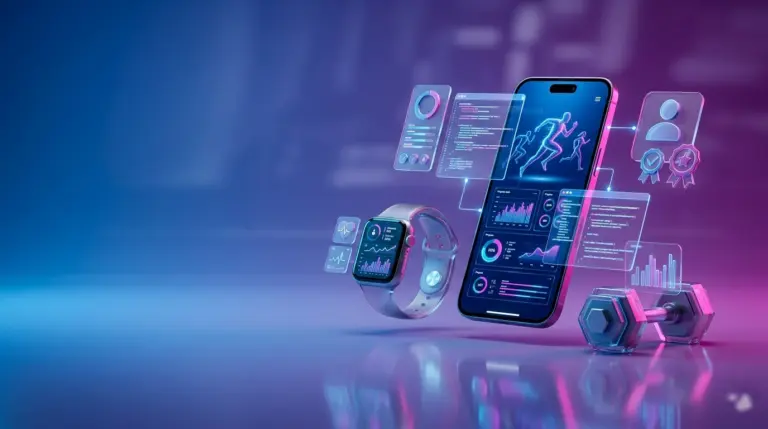
  • Remote diagnostics and wearable integration: In a traditional setting, patient diagnosis involves collecting vital signs and tests to identify disease. In telehealth apps, the data is collected using wearable tech with remote health monitoring. Let’s take the example of a wearable device such as a smartwatch. The smartwatch is connected to the smartphone and collects data on vitals such as heart rate, sleep patterns, etc. This allows healthcare professionals to monitor their health.
  • Personalized care recommendations: Future telemedicine applications can use patient history and lifestyle data to deliver personalized recommendations. Customized wellness plans, medication reminders, personalized diet, and fitness recommendations can improve overall health outcomes.
  • Growth of telemedicine app development solutions in hybrid healthcare models: The future of healthcare is expected to follow a hybrid care model. It combines in-person treatment with virtual healthcare services. Hospitals are increasingly adopting telemedicine app development solutions that support both physical and remote consultations within a unified ecosystem.
  • AR/VR in Remote Consultations: Augmented and Virtual Reality technologies are entering telemedicine software development. Potential use cases include AR-assisted surgical collaborations, virtual therapy sessions, and medical simulations and training.  AR and VR can make remote healthcare interactions more interactive and clinically effective.
  • Blockchain for Medical Records: Blockchain technology is used in healthcare to create blockchain-based medical records. These records are tamper-proof audit trails and enable cross-institutional data sharing without centralized custodians.
  • Predictive Healthcare Analytics:  Predictive Analytics can help analyze historical and real-time patient data. This analysis can identify potential health risks before conditions become severe. Predictive healthcare systems can assist with early disease detection and risk assessment. This proactive approach can improve patient outcomes while reducing healthcare costs.


Real  World Use cases

  • Rural hospital expanding specialist access via telemedicine mobile app

E-Sanjeevani is India’s National Telemedicine Service. It connects patients at local Wellness Centers with specialists at hub hospitals. Launched in November 2019, it provides specialized care in rural and isolated areas. The platform became especially important during and after the COVID-19 pandemic, accelerating nationwide telemedicine adoption.

  • Mental health startup scaling with custom telemedicine application

A notable real-world use case of telemedicine in mental healthcare is the rise of digital     mental health startups. It helps connect patients with licensed psychologists and therapists            remotely.

These platforms help users:

  • Find trusted and verified mental health professionals.
  • Book online therapy sessions conveniently
  • Reduce the need for frequent in-person consultations.
  • Maintain confidentiality through secure video consultations.

A Custom telemedicine app development solution is especially valuable in mental healthcare, as many users prefer discreet, accessible treatment options. Features such as anonymous onboarding, secure messaging, appointment scheduling, digital prescriptions, mood tracking, and virtual counseling sessions are useful.

  • Chronic disease management via RPM-enabled platform

A diabetes care provider integrated continuous glucose monitors with a patient-facing      telemedicine platform, so clinical teams could see real biometric data during                   consultations rather than relying on patient recall. The result was measurable HbA1c     improvement in 73% of their managed patient cohort.

  • Corporate employee wellness program via telehealth app

A Fortune 500 company replaced its employee health benefits hotline with a custom        telehealth app. Absenteeism dropped. Employee satisfaction scores for healthcare    benefits went up. The app paid for itself in reduced insurance claims within two years.


How to Choose a Telemedicine App Development Company?

Choosing a software development partner with the proper expertise shapes every major outcome in this project.

What to look for:

  • Healthcare domain expertise and compliance track record– Search for companies with experience building healthcare or telemedicine solutions. Their expertise should not just be limited to general mobile or SaaS applications. Enquire about specific clinical workflows they have built or patient engagement scenarios they have handled.
  • Portfolio of HIPAA-compliant applications: Request for real-world examples of compliant healthcare applications along with verifiable client references.
  • EHR integration experience: Integration complexities vary across EHRs such as Epic, Cerner, and Athenahealth. Development teams should have demonstrated hands-on interoperability experience with the specific healthcare systems your organization already uses.
  • Post-launch support model and SLA commitments: Telemedicine platforms often require ongoing monitoring and compliance maintenance. Evaluate whether the vendor provides long-term support agreements and incident management services.

Key questions to ask before signing:

  • Can you connect me with a client who had similar requirements to ours?
  • Who owns compliance engineering: your internal team or a subcontractor?
  • How do scope changes get handled mid-build, and what does that cost?
  • What does your support model look like 12 months after launch?

Red flags to avoid:

  • No healthcare-specific client references
  • Fixed-price bids submitted before the discovery is complete
  • Compliance is framed as a final phase rather than an architectural foundation
  • No dedicated security testing capability


How Experion Technologies Is a Trusted Telemedicine App Development Partner?

With extensive experience as a telehealth app development company, Experion’s technical team specializes in developing functional, practical solutions. Having a proven track record across the US, UK, and APAC markets, our team focuses on building intuitive healthcare ecosystems that improve accessibility and patient engagement.

One notable example of our telehealth software development expertise is the teleconsultation platform we developed for a leading health and wellness organization. The solution enabled virtual consultations, appointment scheduling, online payments, and remote diabetes management through mobile applications for both patients and doctors. The platform helped improve healthcare accessibility during the COVID-19 period.


Conclusion

Telemedicine isn’t a future capability that healthcare organizations should start planning for. It’s a critical infrastructure that healthcare organizations need to be running well right now. The organizations that invested early have gained benefits in patient reach, clinical capacity, and operational efficiency. Virtual-first care is becoming the baseline expectation and not a differentiator.

The fundamentals include: Building for compliance, designing for the patient, and architecting for large scale. What changes with each passing year is how much harder it becomes to catch up with organizations that got started earlier.

Choosing the right telemedicine app development company is the most important decision in this process. The right development partner helps healthcare organizations build  future-ready telemedicine ecosystems from the ground up.

Pharmacy Management Software

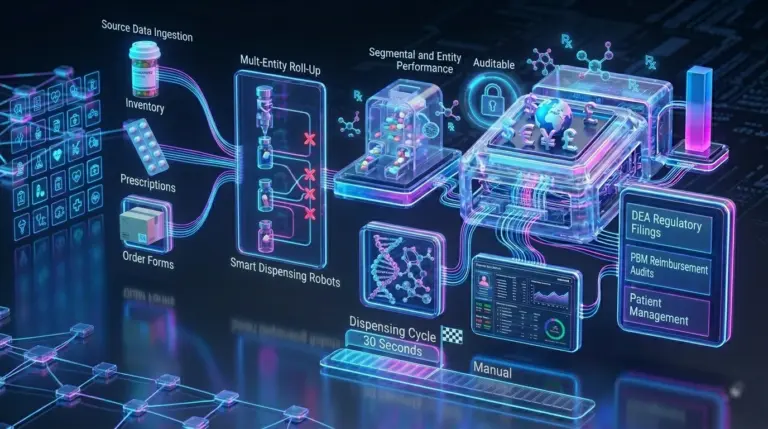
A pharmacy management software can help streamline operations in today’s dynamic healthcare environment. It can act as a major enabler of patient care and streamline operations. Modern PMS platforms can automate core tasks and  significantly minimize human error. Customized to ensure safe data management, it is built to comply with both international and local regulations.

Pharmacy Management Software-og

Key Takeaways

  • A pharmacy management system integrates inventory, billing, EHR data, patient communication, and compliance into a single operational workflow.
  • Pharmacy automation software solutions have moved well beyond the dispensing counter. Refill triggers, drug interaction checks, claim submissions, and expiry alerts now run automatically. For high-volume operations, that automation is what keeps the workflow from breaking under load.
  • HIPAA-compliant pharmacy software development is the baseline, not a feature. Role-based access controls, PHI encryption, audit trails, and documented Business Associate Agreements are now architectural requirements.
  • The build vs. buy decision for a pharmacy management system comes down to one honest question: Is your dispensing logic genuinely proprietary? Specialty and compounding pharmacies typically need to build. Retail chains and hospital pharmacies are almost always better served by buying.
  • Multi-location pharmacy software requires more than replicating a single-site setup across branches. Centralized formulary management, unified patient records, real-time inventory visibility, and branch-level compliance controls set a chain management platform apart from a scaled-up single-location tool.
  • Selecting the best pharmacy management software for enterprise starts before any vendor conversation – with a defined use case, measurable KPIs, and a fixed evaluation checklist. Platforms that look identical in a demo often perform very differently under your actual data and integration environment.


Introduction: The Digital Evolution of Pharmacy Management

In 2026, a pharmacy management system is no longer a digital logbook. It is the operational brain of a modern pharmacy. The infrastructure that decides whether a patient gets the right medication on time, whether your inventory numbers hold up at month-end, and whether a compliance audit ends cleanly.

And yet a surprising number of pharmacy enterprises are still running on systems built for a different era. One for dispensing, one for billing, a spreadsheet for inventory, and a staff member manually reconciling all three at the close of business. That model breaks under volume. It breaks under multi-location complexity, creating compliance risk that nobody is explicitly tracking.


What is Pharmacy Management Software?

Pharmacy management software is a platform that connects every operational function of a pharmacy – prescription intake, drug verification, dispensing, billing, inventory, patient communication, and compliance reporting – into one system. The objective is simple: fewer disconnected tools, fewer manual handoffs, fewer errors.

A pharmacy management system is the architecture that enables that. Pharmacy software is the broader category. The system is the engine underneath it.

Pharmacy software systems range significantly in functions –

Some core modules in a pharmacy management system include:

  • Prescription management: Intake, verification, dispensing queue management
  • Inventory control: Real-time stock tracking, expiry alerts, automated reordering
  • POS and billing: Insurance claims, co-pay processing, end-of-day reconciliation
  • Patient records: Medication history, allergy flags, refill schedules
  • Compliance and audit: HIPAA controls, role-based access logs, reporting

As these systems mature, the focus shifts from simply connecting functions to actively managing them.

A decade ago, pharmacy automation software solutions were largely limited to dispensing robotics. Today, automation reaches the full workflow:

  • Automated refill triggers
  • Real-time drug interaction checks,
  • Insurance claim submissions
  • Expiry-based inventory alerts.

None of it requires a pharmacist to initiate. For high-volume retail chains processing thousands of prescriptions daily, that degree of automation is not optional.


Must-Have Features in Enterprise Pharmacy Management Software

Inventory management software for pharmacy

Inventory is where most pharmacies quietly lose money. Expired medications, over-ordered slow-movers, and stockouts on high-demand drugs all hit the P&L.

However, these losses are  rarely traced back to the system gaps causing them. Inventory management software for pharmacy solves this through:

  • Real-time stock visibility
  • Demand-based automated reordering to avoid shortages
  • Expiry tracking that flags risk before the product becomes unsellable.

For chain operations, pharmacy inventory management software needs to do more than manage one location. Inter-branch stock transfers, centralized procurement, and visibility across every site from a single dashboard are what make inventory manageable.

Pharmacy management system with POS integration

A pharmacy management system with POS integration brings billing, payments, and claims into a single workflow.

Insurance claims, co-pay processing, Healthcare account payments such as FSA/HSA , and cash sales all move through the same system. No more manual reconciliation between two systems at the close of business. More practically, it means claim errors are caught before submission.

That difference alone has a measurable impact on cash flow for high-volume operations. For high-volume pharmacies, even a small percentage of claim errors can translate into Delayed reimbursements and Revenue leakage.

Pharmacy EHR integration software

For clinical pharmacies , especially, pharmacy EHR integration software is where the most consequential errors are prevented. Thus, the pharmacy system connects directly to the patient’s clinical record.

With pharmacy EHR integration software:

  • E-prescriptions arrive pre-verified. Thus, manual validation effort is reduced.
  • The patient’s entire medication history is visible at the dispensing counter.
  • Drug interaction alerts are automatically generated rather than depending on a pharmacist to manually cross-check.

Hospitals that have moved to full EHR integration report meaningful reductions in dispensing errors.

Patient Engagement Features in pharmacy management software

Refill reminders are the bare minimum. Patient engagement features in pharmacy management software now include:

  • Two-way SMS conversations
  • Personalized medication adherence programs
  • Mobile app access for prescription history
  • Proactive outreach in case of a drug recall.

Prescription abandonment caused retail pharmacies to lose significant revenue annually, and most of it is preventable with timely communication.

Mobile Delivery Management Features Cloud-based pharmacy software

Home delivery is no longer a specialty offering. For many pharmacy chains, it is a primary fulfillment channel, and the software infrastructure behind it needs to match. Mobile delivery management features in cloud-based pharmacy software cover driver assignment, route optimization, real-time GPS tracking for patients, electronic proof of delivery, and temperature alerts for cold-chain medications.

Analytics and Reporting Dashboards

A pharmacy management software platform that does not surface actionable data is just a faster version of the old process. Enterprise dashboards need to cover dispensing throughput, inventory turnover, claim acceptance ratios, staff productivity, and patient engagement metrics in real time. The best platforms also support custom report exports for regulatory submissions and board-level KPI reviews, so compliance reporting is not a quarterly scramble.

HIPAA-compliant pharmacy software development

HIPAA-compliant pharmacy software development is not a feature category. It is the price of entry for any pharmacy platform operating in the U.S. healthcare market. The requirements are specific: role-based access controls, full audit trails, encryption at rest and in transit, automatic session timeouts, and documented Business Associate Agreements with every vendor in the software supply chain. Any platform that treats compliance as a checkbox rather than an architectural principle will expose you to risks you cannot afford.


Is your current pharmacy software built for compliance at scale?

Talk to Experion about a HIPAA-readiness assessment


Regulatory Compliance in Pharmacy Software: What Enterprises Must Get Right

Pharmacy enterprises operating at scale are navigating several compliance frameworks simultaneously, and a platform that handles one well while ignoring the others creates gaps that auditors will find.

  • HIPAA & PHI Handling: Data isolation, encryption protocols, breach response procedures, and BAA execution with every vendor in the supply chain.
  • DEA EPCS (Electronic Prescribing for Controlled Substances) – Federal requirements for Schedule II-V digital prescriptions, including two-factor authentication and tamper-evident audit logging.
  • PCI-DSS for Pharmacy POS – Payment Card Industry standards for credit and debit card transactions at the dispensing counter. Often overlooked in pharmacy compliance reviews.
  • State-Level Pharmacy Board Regulations – Dispensing rules, pharmacist-to-technician ratios, and labeling requirements vary by state. Multi-location operations need these to be configurable at the branch level without requiring IT involvement every time a regulation changes.
  • FDA Drug Database Integration – NDC (National Drug Code) database integration for accurate drug identification, substitution management, and recall handling.

Experion’s pharmacy management system modernization engagements begin with a structured architecture workshop – mapping current state, identifying integration debt, and building a phased roadmap before any development starts.


Pharmacy Management System Architecture Explained

Typical Pharmacy Management System Architecture

A well-designed pharmacy management system architecture consists of three layers.

The frontend handles user-facing interfaces for pharmacists, technicians, patients, and delivery staff. It has role-appropriate views on web, mobile, and kiosk.

The backend manages business logic, workflow orchestration, and data processing.

The database layer handles the structured storage of patient records, prescription history, inventory data, and audit logs, with high availability and automated failover.

Sitting across all three is an integration layer that handles real-time data exchange with EHR systems, insurance clearinghouses, POS terminals, delivery platforms, and government drug databases. How well this layer is designed determines how complex every future integration project will be.

Pharmacy Management Software API Integration

Pharmacy management software API integration is where enterprise implementations succeed or stall.

An API-first architecture connects the platform to:

  • EHR systems like Epic, Cerner, and Meditech;
  • Insurance clearinghouses for claims processing
  • Payment gateways for transaction handling
  • Last-mile delivery services
  • FDA drug databases

Platforms that were not designed with APIs at the core rely on building custom point-to-point connections that become maintenance debt. It  tends to accumulate these connections over time, and by year three, the integration layer is the most fragile part of the whole system.

Scalability and Performance Considerations

Pharmacy software scalability and performance stop being theoretical the moment you hit a peak volume period. A platform handling 500 prescriptions daily encounters different infrastructure constraints than one processing 50,000. Cloud-native architectures are built to handle demand spikes. They happen during post-disaster prescription surges and end-of-benefit-year rushes. On-premise systems require someone to provision capacity before the spike.

 Security Architecture in Pharmacy Management Systems

  • Role-Based Access Control (RBAC) – Each role sees only what it needs. Pharmacists, technicians, delivery staff, and administrators have separate access profiles with no overlap.
  • End-to-End Encryption – End-to-end encryption ensures patient data is secure both during transmission (TLS 1.3) and while stored (AES-256), making it a non-negotiable requirement for protecting sensitive health information (PHI)..
  • Penetration Testing and Vulnerability Management – Third-party security assessments on a documented schedule, with remediation timelines tracked to closure.
  • Disaster Recovery Protocols – Disaster recovery protocols define how much data you can lose (RPO) and how quickly systems must recover (RTO), with guarantees supported by the vendor’s SLA and backed by geographically distributed infrastructure.


Build vs Buy Pharmacy Management System

Most enterprise pharmacy buyers eventually end up asking this question. The honest answer is that it depends on one factor: whether your workflows are genuinely proprietary, or whether they just feel that way because you have been doing them the same way for a long time.

When to Choose Custom Pharmacy Management Software Development?

Custom pharmacy management software development makes sense when your dispensing logic is actually proprietary. When it differentiates you clinically or operationally in a way that off-the-shelf platforms cannot replicate. Specialty pharmacies managing oncology or rare disease protocols, compounding pharmacies with patient-specific formulation workflows, and pharmacy benefit managers with highly customized adjudication rules fall into this category.

Working with an experienced pharmacy software development company on a custom build gives you full ownership of the codebase and complete control over the product roadmap. The tradeoff is honest: 6 to 12 months to deploy, significantly higher upfront cost, and an internal team that needs to own the system long-term.

When to Buy a Purpose-Built Pharmacy Software Solution?

For most retail chains and hospital pharmacies, a purpose-built pharmacy management software solution gets you to value faster and at a lower total cost than a custom build. The vendor handles compliance updates, security patches, and infrastructure scaling.

The question to ask every pharmacy software vendor is not what the platform does on day one. It is what the support model looks like on day 180, after the implementation team has moved on.

Total Cost of Ownership Comparison

Factor Build (Custom) Buy (Purpose-Built)
Upfront Cost High ($250K–$1M+) Medium (licensing + implementation)
Time to Deploy 6–12 months 4–12 weeks
Compliance Updates Internal team responsibility Vendor managed
Customization Depth Maximum Configuration only
Ongoing Maintenance Requires internal engineers Vendor supported
Scalability Depends on architecture decisions Built-in
Best Fit Specialty/proprietary workflows Retail chains, hospital pharmacies


Not sure whether to build or buy?

Experion’s pharmacy software development team can map the right path for your operation


Multi-Location and Pharmacy Chain Management Software: A Different Scale of Challenge

Running one pharmacy itself is operationally complex.

Running 50 locations is a different problem entirely.  Most platforms designed for single-site operations hit a wall, around location five or six.

Overall, multi-location pharmacy software needs to act as the central nervous system for the entire chain:

  • Centralized formulary management- Ensures that each branch dispenses from the same approved drug list.
  • Unified patient records across branches- Unified patient records ensure that Customers can visit any branch.
  • Real-time inventory visibility at every site- Prevents blind spots when it comes to inventory.

Inventory: The two most common sources of inventory loss are stockouts and overordering. Stockouts lead to sales loss, whereas overordering leads to wastage. These two issues can be solved with pharmacy chain management software. Inter-branch stock transfers enable excess stock at one location to be reallocated to another.

Compliance: State-specific regulatory requirements add another layer. Dispensing rules, pharmacist-to-technician ratios, and labeling standards vary across jurisdictions. A platform that cannot enforce these rules at the branch level while maintaining central reporting creates compliance exposure that the parent organization is ultimately responsible for.

Acquisition Challenge:  Chains that have grown through acquisitions face a more complex version of this problem: multiple legacy systems across different locations, each with its own data model and integration landscape. The practical approach is phased. That connects acquired locations to the central platform on a structured timeline. This reduces disruption without leaving newly acquired sites running on disconnected infrastructure indefinitely.


Pharmacy Management System Modernization: A Practical Roadmap

Organizations that shift efficiently from their core operational systems treat the pharmacy digital transformation strategy as a planning exercise.

  • Phase 1: Begin by mapping your current systems: integrations, data flows, compliance gaps, and manual workarounds. The workarounds are the most important finding. Every workaround is a system failure that someone compensated for with human effort , and those are your highest-priority modernization targets.
  • Phase 2: Separate what you need from what would be nice to have. Set measurable success criteria before you talk to a single vendor: Target claim acceptance rate, inventory write-off reduction, patient adherence improvement , and dispensing error rate. Without these numbers, you cannot evaluate vendor claims.
  • Phase 3: Cloud-based pharmacy management software is the default for most operations. It eliminates infrastructure overhead, enables real-time multi-location access, and shifts compliance maintenance to the vendor.

However, hybrid models (cloud + on-premise) make sense when:

  1. There are strict data residency requirements
  2. Integration with hospital clinical systems demands low latency
  3. Regulatory constraints limit full cloud adoption
  • Phase 4: Lastly, start with just one location or one workflow. Validate all integrations before rolling out further. Train clinical and operational staff during deployment. Post-launch iteration based on real usage data consistently produces better outcomes.

Pharmacy system modernization  is not about buying the “best software”. The primary objective is to design the right system for your operations.


How to Choose the Best Pharmacy Software Vendor?

Choosing between pharmacy software vendors is straightforward in theory and surprisingly easy to get wrong in practice.

Use case: Define your specific use case before any vendor conversation. Get precise about factors such as prescription volume, number of locations, integration requirements, and compliance obligations. Without this, every vendor will appear equally capable because you haven’t defined what ‘capable’ means for your operation.

Evaluation Criteria: Build your evaluation criteria before you see any demonstrations. Score each platform against the same fixed checklist: compliance certifications, integration depth, scalability SLAs, usability for pharmacists and technicians on the floor.

Questions: Ask the questions vendors don’t volunteer answers to. How is PHI isolated in a multi-tenant environment? What does post-go-live support actually look like? Can you produce documented ROI from a deployment comparable to ours in volume and integration complexity?

Proof of Concept : Demand a proof of concept using your actual data and integrations. Narrow to two or three pharmacy software vendors and run a real test.

Common Mistakes When Evaluating Pharmacy Software Vendors:

  • Selecting based on demo quality rather than real-world workflow accuracy
  • Underestimating integration complexity with legacy and EHR systems
  • Evaluating licensing cost without accounting for implementation, training, and ongoing maintenance
  • Running the evaluation without clinical staff to verify.


Managing multiple pharmacy locations? One platform should do it all.

Find out how Experion delivers it

Industry Use Cases: Where Pharmacy Management Software Delivers the Highest ROI

Retail Pharmacy Chains

For retail chains, inventory accuracy and patient retention drive the numbers. Centralized inventory management reduces write-offs from expired stock by 25-40% in documented enterprise deployments.

Features such as automated refill reminders and patient engagement reduce prescription abandonment .  Since retail pharmacy chains have multiple locations, Cloud-based pharmacy management software enables real-time visibility across all locations from one dashboard. This is not achievable with on-premise systems that require someone to pull reports from each site separately.

Hospital and Clinical Pharmacies

Hospital pharmacies benefit most when their systems have deep EHR integration and robust clinical decision support.

A pharmacist can access a patient’s full medication history and receive drug interaction alerts . All of this can be done without switching between systems. The end result is that  dispensing errors drop.

Formulary management refers to the hospital’s approved list of medications. Pharmacy management software ensures that all patient prescriptions follow this. It reduces clinical risk and procurement costs simultaneously.

For hospital systems where a single dispensing error can have serious consequences, the ROI calculation is not purely financial.

 Specialty and Compounding Pharmacies

Specialty and Compounding pharmacies differ from retail pharmacies. The distinction lies in their dispensing logic. Medications are not procured from inventory, but are prepared, adjusted, or combined for each patient.

This includes certain pediatric formulations or allergy-free variants.  Specialty pharmacies focus on disease-specific drugs. It also procures medicines that require strict handling protocols, such as cold-chain storage and transport. These operations typically require custom pharmacy management software development rather than configuring a standard platform.

Tele pharmacy and Home Delivery

Home delivery has moved from a differentiator to a standard offering for most pharmacy chains. The software infrastructure needs to match. In other words, it needs to support both logistics and patient interactions.

Modern cloud-based pharmacy software includes mobile delivery management features

  • Driver assignment
  • Route optimization,
  • Patient-facing GPS tracking
  • Electronic proof of delivery
  • Cold-chain monitoring alerts

These features have reduced missed deliveries and improved patient satisfaction in documented deployments. Pharmacies managing delivery without customized tools run logistics operations as workarounds, and the errors eventually become visible to patients.

In addition, telepharmacy perfectly complements home delivery. It enables:

  • Remote prescription verification
  • Virtual pharmacist consultations
  • Medication counseling without in-person visits


Future Trends in Pharmacy Software Systems

  • AI-driven recommendations: AI in pharmacy software has numerous uses. Machine learning models can flag potential adverse drug events before dispensing. It can check the prescription against patient data and warn against situations such as high dosage or if the drug might interact badly with other existing drugs. If a particular drug is unavailable, it can recommend therapeutic alternatives. AI can also analyze behavior patterns such as missed refills and regular purchase history, and identify individuals who are unlikely to take their medications properly. This helps pharmacies send reminders and improve treatment outcomes. In other words, AI can act as a second pair of expert eyes.
  • Predictive inventory management: Instead of reacting to stockouts, predictive inventory management software for pharmacies uses historical dispensing data, seasonal demand patterns, and external variables. Perhaps this could be a flu season onset or a local disease prevalence . All these factors can help forecast demand and automate procurement. Early enterprise deployments report 15-30% reductions in emergency stock orders and more consistent service levels during high-demand periods..
  • Telepharmacy and remote care:Telepharmacy is making pharmacy services viable in rural and underserved areas where physical locations are not economically feasible. The required infrastructure includes remote dispensing units, video consultation platforms, and cloud-based pharmacy management software that supports remote pharmacist verification. This is becoming a standard procurement requirement rather than a specialty request.
  • Data-driven patient engagement: Pharmacy systems are shifting from transaction-focused tools to outcome-driven platforms. It analyses patient behavior such as refill patterns, missed pickups, and interaction history.

Thus, it enables pharmacy management to move beyond generic reminders  to deliver targeted messages. This includes personalized refill alerts, two-way communication via SMS or mobile apps, and condition-specific adherence programs. When combined with AI, these systems can predict which patients are likely to drop off treatment and trigger proactive outreach at the right time.

  • Blockchain for Drug Supply Chain Integrity: The Drug Supply Chain Security Act requires end-to-end traceability of prescription drugs from manufacturer to patient. Blockchain-based solutions create immutable custody records at each transfer point, auditable in real time. Pharmacy enterprises with complex supply chains are beginning to factor API integration for pharmacy management software with blockchain traceability platforms into their architecture planning.


Conclusion: Choose the Right Pharmacy Management Software Solution for Your Needs

Modern pharmacy software systems are the foundation of patient safety and operational efficiency. The platform your pharmacy runs on determines how many errors reach patients, how much inventory gets written off, and how quickly you can respond to a compliance requirement. It dictates the bottom line- Does your clinical staff spend time on patient care or on administrative overhead?

The tech stack chosen is of utmost importance. It affects scalability, compliance posture, patient outcomes, and the ability to add locations without rebuilding from scratch.

Apart from this, the criteria that matter include: HIPAA-compliant architecture, deep EHR and POS integration, cloud infrastructure that scales without manual intervention, and analytics that tell you what is actually happening across your operations. Whether you build with a pharmacy software development company or purchase a customised pharmacy management software solution, the platform has to work under enterprise conditions.

Pharmacy enterprises that have made this investment well are running leaner, making fewer errors, and retaining more patients. The ones still on legacy systems are managing around their software rather than with it.

Fitness App Development

The global fitness app market crossed $15 billion in 2024. By 2030, it is on track to nearly double. Post-pandemic habits, the spread of affordable wearables, and AI that now gives genuinely personalized coaching have pushed fitness apps into one of the highest-engagement categories in mobile software.

If you are deciding whether to build, trying to nail down what it costs, or figuring out which tech stack makes sense, this blog covers all of it.

Fitness App Development-og

Key Takeaways

  • Fitness app development costs range from $10,000 for a focused MVP to $200,000+ for an AI-powered, wearable-integrated platform.
  • Custom fitness app development services consistently outperform white-label solutions in retention and long-term flexibility.
  • AI features are no longer a differentiator but are becoming the baseline expectation for any personalized coaching app.
  • HIPAA-compliant fitness app development is required when your app deals with clinical data, insurance programs, or health records.
  • Choosing between React Native and Flutter is less a performance question and more about what your team already knows and which wearable ecosystems matter.
  • The biggest post-launch failure is treating retention as a V2 problem.


Understanding Fitness App Development Basics

Fitness application development spans a broad spectrum. Examples include a bodyweight training app for beginners or a hospital implementing a physiotherapy exercise app for their post-surgery recovery patients.

Both scenarios include fitness app development. However, the requirements, compliance obligations, and cost structures are completely different. Before you engage any fitness app development company or start scoping a build, be clear about which category you are in. The features, tech choices, and timelines all follow from it.

Core Features in Fitness Mobile App Development

Most successful fitness apps share a common foundation of the following features:

  1. Workout plans – Structured programs with exercise libraries, sets, reps, rest timers, and video demonstrations
  2. Progress tracking – Body metrics, strength benchmarks, streak data, before/after comparisons
  3. Nutrition logs – Food diary, macronutrient tracking, barcode scanning, and meal suggestions
  4. Social sharing – Activity feeds, challenges, leaderboards, and friend connections

Which of these you prioritize depends on your target user.

A corporate wellness platform needs aggregate reporting dashboards.

Whereas for a consumer coaching app, the quality of the workout library and the notification strategy play a critical role in user retention.

Health and Fitness app development Trends

The debate between native, hybrid, and cross-platform development has gotten less complicated in recent years. Cross-platform frameworks such as React Native and Flutter have closed most of the performance gap for standard fitness use cases.

The exception is apps heavy on real-time graphics (such as AR for coaching and VR workouts), where native still has a clear edge.

A more meaningful shift has taken place in wearable integration. Earlier, wearable fitness app integration meant pulling step counts from Apple HealthKit.

Today, it means syncing with Oura rings, WHOOP recovery scores, continuous glucose monitors, and connected gym equipment simultaneously. The data architecture behind that is often more complex than the app itself.

Risks & Considerations in Fitness App Development Services

Fitness Development apps require access to structured health data, which is where APIs like Apple HealthKit and Google Fit come into the picture. These APIs help developers sync data from wearables and third-party devices.

However, third-party API dependency is the risk most teams underestimate.

Apple HealthKit and Google Fit are reliable, but their data models change over time. When Apple redesigned how HealthKit handles workouts in iOS 17, apps without abstraction layers simply broke. Build for this from day one.

Offline functionality is non-negotiable. Users train in gym basements, on trails, and on planes. If your app needs a live connection to load a workout, users will delete it the first time it fails them mid-session. That first failure is usually permanent.


Types of Apps You Can Build with Custom Fitness App Development Services

Custom development makes it possible to build solutions tailored to any health niche. Some in-demand categories include:

  • Personal training & workout apps-These apps can include personalized workout plans, video exercise demonstrations, progress tracking, real-time rep counters, and one-on-one coach-to-client messaging – all built around your specific training style and audience.
  • Nutrition and diet tracking-From macro tracking and meal planning to barcode scanning, recipe databases, and AI-powered dietary recommendations, a purpose-built nutrition app can be designed to align with specific dietary philosophies – whether that’s keto, plant-based, intermittent fasting, or clinical nutrition support.
  • Corporate wellness platforms – Businesses are investing more than ever in employee health, and custom corporate wellness platforms deliver measurable ROI. These solutions can include company-wide fitness challenges, mental health resources, activity leaderboards, biometric data integration, and HR dashboard reporting.

AI Fitness App Development & Smart Coaching Apps

AI coaching is the fastest-growing segment in fitness mobile app development. The basic version is adaptive programming. The app adjusts next week’s training based on this week’s performance. The more advanced version uses computer vision to analyze movement quality through the phone camera and give real-time form feedback.

Computer vision works well in controlled home gym environments. However, Outdoor workouts and commercial gym floors are difficult- lighting, camera angles, and background noise make it inconsistent. Know that tradeoff before you spec this feature.

Predictive analytics (flagging overtraining risk using HRV and sleep data) and NLP coaching (a conversational interface where users describe how they feel and the AI adjusts the plan) are moving from research labs into production apps.

Wearable Fitness App Integration-Based Apps

The interesting problem is no longer connecting to a single wearable. It is reconciling data from multiple devices simultaneously. A typical power user might have an Apple Watch, an Oura ring, a smart scale, a connected rower, and a CGM. Each model’s data is different. A unified health data layer that normalizes these inputs without losing fidelity is where the real engineering work lives, and where most early-stage builds cut corners.

HIPAA Compliant Fitness App Development Use Cases

Not every fitness app needs HIPAA compliance. But if your app handles protected health information such as clinical exercise prescriptions, post-surgical rehab, and insurance-linked wellness incentives, it does. A general consumer workout tracker almost certainly does not qualify. An app that allows a physician to prescribe and monitor a recovery protocol almost certainly does.

The tricky cases are in the middle. If you are building there, talk to a healthcare attorney before writing code. Retrofitting HIPAA compliance after launch costs more than building it in from the start.

B2B2C Fitness Applications

White-labeled enterprise fitness platforms suit a specific type of founder – one who has existing relationships with gym chains, corporate HR departments, or health insurers. Build the core platform once, license it to organizations that rebrand it for their users. The unit economics beat direct-to-consumers. The sales cycle is longer. Whether that tradeoff works depends on your network and patience.


How to Develop a Fitness App: The Process Step-by-Step?

Step 1: Market Research & Idea Validation for fitness app development

The fitness app market is crowded with good products.

Validation is not confirming that people want fitness apps. It is confirming that a specific user segment has a specific problem that existing apps handle badly, and that you can reach them at a cost that makes the business work.

Talk to 20 real potential users before writing a line of code. The conversations will change your feature list significantly. They always do.

Step 2: Define Features & MVP Scope (MVP Fitness App Development Cost Considerations)

MVP fitness app development is a discipline of cutting-edge technology. The goal is the smallest version of your app that delivers genuine value to a specific user, generates real usage data, and ships in three to five months.

The most common mistake: including “nice to have” features in the MVP because they look simple. They never are, and they delay the feedback that tells you what actually matters.

Step 3: Choose the Right Fitness App Development Framework

Technology decisions for fitness apps tend to follow a consistent pattern:

  • Mobile App Technology– Kotlin, Flutter, Swift, React Native, Dart
  • Back End Technology-js, Python/Django, Firebase
  • Front End Technology- React, Vue
  • Database- PostgreSQL, MongoDB, Redis
  • Cloud Server- AWS, GCP, Azure

Flutter is gaining adoption for its consistent UI performance across platforms and its improved support for wearables. React Native has a larger talent pool and more mature third-party integrations. The full comparison is in its own section below.

Step 4: UI/UX Design

Fitness apps are habit-formation products. The UX job is not just to make the app usable — it is to make it part of a daily routine. Design for the 30-second interaction: open, log, check, close. Friction in that flow ends habits.

Gamification hooks – streaks, badges, progress rings – have real retention value when tied to actual behavior. When they are tied to time spent in the app instead, users figure it out quickly and stop caring.

Step 5: Development & Testing with Fitness App Development Services

Fitness app backend development covers workout data APIs, user authentication, subscription billing, wearable sync services, and notification infrastructure. None of these is trivial. Test on real devices. Test offline scenarios explicitly — they fail in ways no emulator will surface.

Step 6: Launch & Maintenance Strategy

Budget for maintenance before launch. Fitness apps need ongoing content updates, OS compatibility patches, changes to wearable APIs, and model retraining for AI components. A reasonable planning figure is 20–25% of the initial build cost per year. Teams that skip this planning usually find themselves with a degrading product within 12 months.

Step 7: App Store Optimization for Fitness Mobile Apps

ASO for fitness apps is competitive. Three things move the needle:

  • Keyword-specific titles and subtitles: Use intent-driven phrases like “running training plan,” “home workout,” or “macro tracker” to improve discoverability.
  • Real product screenshots: Show actual in-app flows, not polished marketing visuals  -users want to see what they’ll use.
  • Short demo videos: Even a 15–30 second preview can significantly improve conversion rates.


Post- Launch Growth Strategy for a Fitness Mobile App Development Company

Fitness apps struggle with user retention. The difference between popular fitness apps and the ones that plateau is almost always retention.

Personalized Push notifications: Generic push notifications (“Don’t forget to work out!”) get ignored.  But personalized ones tied to actual behavior, such as “You’ve hit your Tuesday session six weeks straight. Want to add a Thursday?” get opened. The engagement gap between generic and behavior-triggered notifications is notable enough to affect monthly revenue on a subscription model.

Streak recovery mechanics reduce the churn spike that follows a missed day. Duolingo has tested this extensively. A “streak shield” or a “grace period” keeps users from feeling like they’ve already failed and from deleting the app.

Community features create accountability that solo product features cannot replicate. Challenges, leaderboards, and friend feeds also drive organic acquisition. A user who recommends the app to a friend has a much longer lifetime value than one who comes through paid channels.

Distribution partnerships with gym chains, employers, and healthcare providers can quickly unlock large user bases. They come with customization requirements, longer procurement cycles, and sometimes exclusivity clauses. Factor those in before you pursue them.


Fitness App Development Cost Breakdown

How Much Does It Cost to Build a Fitness App?

The question every client asks first, and the honest answer is: Scope determines cost more than almost anything else. Here are real ranges based on project type:

App Type Estimated Cost Range
MVP (core tracking, focused feature set) $10,000 – $40,000
Mid-level (AI coaching, wearable sync, community) $40,000 – $100,000
Enterprise / HIPAA / heavily AI-integrated $100,000 – $200,000+

Key Factors Affecting Fitness App Development Cost

  • Features: Features like AI coaching, live streaming, and real-time multiplayer sessions are expensive to build and significantly more expensive to maintain at scale.
  • Platform: Cross-platform development with Flutter or React Native typically saves 30–40% versus maintaining separate native iOS and Android codebases. For most fitness apps, cross-platform is the right choice.
  • Compliance – HIPAA adds audit logging, encryption architecture, Business Associate Agreements, and legal review. Budget an additional $15,000–$30,000 for a serious HIPAA implementation, not including ongoing compliance management.
  • Integrations – Integrations such as wearable APIs, payment processors, EHR systems, and CRM connections each add cost and ongoing maintenance overhead. Third-party APIs also introduce dependency risk.


React Native vs Flutter for Fitness Mobile App Development

Both are solid choices. The decision rarely comes down to raw performance.

React Native has a larger developer community, more mature third-party libraries, and a more favorable hiring market. The JavaScript bridge has improved, but it can still cause noticeable lag in animation-heavy interfaces if not carefully optimized.

Flutter produces smoother UI out of the box. Flutter uses Dart, which is easier to learn, and the tooling is good. Wearable OS support – particularly Wear OS – has improved considerably in 2024–2025, though Apple Watch still requires a native Swift layer regardless of framework.

 React Native vs Flutter Fitness App – When to Choose What

Factor React Native Flutter
Team expertise in JavaScript Better fit Steeper ramp
Animation-heavy UI Needs optimization Smoother by default
Wearable OS integration More third-party options Growing native support
Hiring market Larger pool Smaller but growing
Apple Watch integration HealthKit via bridge Needs native layer either way
Time to market Faster for JS teams Slight learning curve initially

For most mid-market fitness apps, either framework works. The more useful question is which one your team knows. Switching frameworks mid-project is expensive in ways that outweigh most technical advantages.


Need help choosing the right tech stack?

Let’s figure it out together


Fitness App Development Timeline: How Long Does It Take to Build a Fitness App?

  • MVP: 3–5 months
  • Mid-complexity (AI coaching, wearable integration, community features): 6–9 months
  • Enterprise or HIPAA-compliant with clinical integrations: 10–14 months

Factors That Extend Fitness App Development Timeline

  • Integrations – Legacy gym management systems, EHR platforms, and custom wearable hardware add time when the APIs are poorly documented or require custom middleware. Plan for this; do not assume clean documentation.
  • Compliance reviews – HIPAA and GDPR audits, penetration testing, and security reviews typically add 4–8 weeks. This cannot be parallelized with development in most cases.
  • Content production – Exercise video libraries, audio coaching sessions, and nutrition databases are consistently underestimated. A 200-exercise video library with professional production takes longer and costs more than most first-time founders expect. And it cannot be built after launch; it is part of the product.


Fitness App Development ROI: Is It Worth Building a Fitness App?

The fitness category supports multiple revenue models simultaneously: subscriptions, in-app purchases, corporate licensing, and affiliate partnerships. That flexibility is useful when you are testing what works early on.

Peloton, Strava, and MyFitnessPal are the obvious examples of scale. More relevant to most builders: niche fitness apps with engaged communities and real product-market fit regularly reach $1M+ ARR with subscriber bases in the tens of thousands. The economics work at a modest scale if retention holds.

AI personalization measurably helps retention. Apps with adaptive workout programming – ones that adjust plans based on actual performance data – show better 90-day retention than apps with static programs. Given that subscription revenue compounds directly with retention, this is where AI investment has a clear payoff.

The apps that fail financially usually fail on retention, not user acquisition. Cost per install is a solvable problem. Getting users to still care about the app in month three is harder, and it is the question worth spending the most time on before you scope the build.


Planning to build a fitness app? Talk to our experts before you start


Partnering with the Right Fitness App Development Company

Fitness App Development Company vs Freelancers

For an MVP with a clear, narrow scope, a senior freelancer or a small team can deliver well and cost less. For anything involving HIPAA compliance, complex wearable integrations, AI components, or a multi-platform launch, a fitness app development company with domain experience is worth paying for – not because agencies are inherently better, but because the complexity is high enough that generalists tend to get expensive in hindsight.

How to Choose the Best Fitness App Development Company?

Ask these questions before signing anything:

  • Have they built fitness or health apps specifically, not just mobile apps generally? Ask to see the work, not just read about it.
  • Who handles post-launch maintenance, and what does that engagement look like in practice?
  • If HIPAA is relevant to your project, have they implemented it before? Ask for specifics — which certifications, which BAA structure, which audit process.

Agencies that answer these questions vaguely are telling you something.

Fitness App Development Outsourcing vs In-House Teams

Outsourcing works well for early-stage builds where speed and cost efficiency matter more than institutional knowledge. Building in-house makes more sense once you have product-market fit and a roadmap that requires continuous iteration. The most common working model: outsourced development with an internal product owner managing scope, feedback, and direction.

Dedicated Fitness App Development Team: What It Looks Like

A dedicated fitness app development team typically includes a product manager, UI/UX designer, mobile developers, backend engineers, and QA specialists. For advanced builds, AI/ML experts and data engineers are added to support features such as AI fitness app development and wearable fitness app integration. What matters most is domain experience.

How to Hire Fitness App Developers Without Risk?

Run a paid discovery sprint before committing to a full engagement.

Give the team a real, non-trivial problem from your product. This might be a wearable sync scenario, a multi-device data conflict, and an evaluation of how they think through it. References from fitness clients at a similar stage are more useful than polished case study decks.


Experion builds fitness and health technology products across consumer apps, enterprise wellness platforms, and clinical environments. If you are scoping a build and want a second opinion on architecture, compliance requirements, or cost – talk to us before you commit to a direction.


Cutting-Edge Features in Modern Fitness Software Development

AI Fitness App Development: Capabilities & Use Cases

Production-ready AI in fitness apps today includes adaptive workout programming, camera-based movement analysis, NLP coaching conversations, and churn prediction. The last one gets underused: identifying users at risk of dropping off before they do, then triggering a targeted re-engagement flow, directly affects subscription revenue.

Computer vision for form feedback works well in home gym settings with decent lighting and a stable phone position. Commercial gyms and outdoor environments are harder. Do not spec computer vision form coaching without first prototyping in real conditions — not on a demo dataset.

Wearable Fitness App Integration and Multi-Device Sync

Building a unified health data layer is harder than it looks. An Apple Watch, an Oura ring, a smart scale, a connected rower, and a CGM each model workouts, recovery, and biometrics differently. Normalizing those inputs into a consistent data structure — and deciding whose data wins when they conflict — is not a backend detail. It is a core product decision that affects everything downstream.

Gamification & Social Features in Fitness Apps

Challenges, badges, and leaderboards retain users when they are tied to behaviors people actually care about. They fail when they feel like busy work. Web3 reward experiments — NFT badges, token incentives — have gained minimal traction with mainstream fitness audiences. Though this feature is worth watching in specific crypto-native communities it not worth building for as a general retention strategy in 2026.

Metaverse Fitness

Metaverse fitness combines virtual gym environments, avatar-based group workouts, and gamified training experiences.  This allows users to interact in shared 3D spaces. In addition, it allows haptic feedback, gamification, and the ability to earn models that reward users with crypto for hitting fitness goals.

The direction is shifting from fully VR-only experiences to more accessible, hybrid models (mobile + AR + wearables). Major players are already pivoting toward mobile-first metaverse access to reach a wider audience.

AR/VR in Fitness Application Development

VR fitness has proven that headset workouts generate real cardiovascular output. Examples include Supernatural and Beat Saber.

The user base is still limited by headset adoption. AR overlays for outdoor athletes (real-time pace coaching and navigation) are more widely accessible.

Build for AR if your users are runners, cyclists, or hikers. Build for VR only if you have a direct platform partnership or a user segment already buying headsets.

Voice interfaces

Hands-free voice commands are now expected in running and cycling apps. Users who need to check split times or log intervals mid-run are not going to stop and tap a screen. Native OS voice APIs handle 80% of the core use cases. Making the interaction feel conversational rather than like issuing terminal commands requires more design work than engineering work.

Real-time multiplayer workouts

Real-time multiplayer workouts enable synchronized group sessions where users train together and share live performance metrics.

Imagine virtual worlds, with over 150 routes, which lets you race with other cyclists in a virtual environment. Zwift popularized this for cycling-an online indoor training application that lets you link your smart bike to your smart phone or computer.

Sleep and recovery tracking

Recovery-led training is mainstream. Users with Oura, WHOOP, or Apple Watch sleep-tracking expect their training app to factor recovery data into its recommendations. This is not a standalone feature. It is a modification to your adaptive programming logic. The data is available; the question is how much weight you give recovery scores when adjusting training load.


Compliance Involved in Fitness App Development

Requirements depend on your use case, user geography, and whether you touch clinical or financial data:

  • HIPAA: If your app covers or transmits PHI (Personal Health Information), you are subject to HIPAA.
  • GDPR: This is applicable to EU user data handling
  • CCPA: California-specific privacy rights
  • PCI-DSS: in-app payments and subscription billing
  • HL7/FHIR standards: health data interoperability for clinical integrations
  • COPPA: Compliance for apps used by or marketed to children under 13
  • HITECH Act: Extends HIPAA into breach notification

Compliance is not a feature you add after launch. It needs to be in the data model, access control architecture, and logging from the start. The cost of retrofitting is higher than building it right the first time, and the legal exposure in the interim is real.


Have an idea for a fitness app?

Let’s bring it to life

Monetization Strategies for Fitness Mobile App Development

  • Freemium Model
    This model works well when the free tier is useful. Core tracking and basic workouts would be free. But premium features such as personalized AI coaching and an ad-free experience will incur a fee.
  • Subscription Model
    The most common one of all the monetization strategies. They tie product incentives to retention. Comprises Tiered Subscriptions, a fixed price for access to all features, and a group model, which is a shareable subscription that a group can use. Annual plans at a discount can improve cash flow and reduce monthly churn.
  • In- App Purchases
    In-app purchases are often paired with freemium or subscription models. Common examples include  specific programs, trainer content, or premium libraries.
  • Advertisement Revenue
    Ad-supported free tiers help drive user acquisition and revenue at scale, but poorly placed or intrusive ads can negatively impact user experience and retention.
  • Affiliate Marketing
    Supplement or equipment brands are a real revenue stream for apps with engaged communities, but thin margins and brand risk make them a secondary channel at best.


How Experion Can Help in Fitness App Development?

Experion offers end-to-end fitness app development services. This ranges from MVP planning to enterprise-grade platforms. The team supports custom fitness app development, wearable integrations, and HIPAA-compliant solutions.

Beyond development, Experion helps with tech stack decisions, scalability, and retention-focused product strategy, making it a reliable fitness software development partner for both startups and enterprises.


Conclusion: Launch Your Fitness App with the Right Fitness Software Development Partner

The generic workout tracker is saturated.  To set yourself apart, you would need custom features.  AI coaching that adapts to real performance data, clinical-grade recovery integration, B2B2C enterprise wellness platforms, and niche community apps with specific, well-served audiences.

If you are evaluating whether to build, the product questions are harder than the technical questions. Who is your user? What do they try to do with existing apps and fail? Why will they still be using your app? Gain clarity on these questions before beginning app development.

Technology, compliance, and cost are solvable , especially with a fitness software development partner who has done it before. The product strategy is where the real risk lives, and it is worth the time to get it right first.

Conversational AI in Healthcare

Healthcare systems around the world are under pressure. Patient expectations are rising. Clinicians are overwhelmed. Administrative teams are stretched thin. At the same time, healthcare organizations are accelerating digital transformation initiatives to meet modern demands.

Today’s patients expect the same level of digital convenience they receive from banking, retail, and travel platforms. They want instant appointment confirmations, real-time answers to billing questions, and 24/7 access to healthcare information. Long wait times and unanswered calls reduce satisfaction and erode trust.

Healthcare conversational AI bridges this expectation gap by enabling intelligent, always-available digital interactions.

Healthcare professionals spend a significant portion of their time on administrative tasks rather than patient care. Scheduling, documentation, billing inquiries, insurance verification, and repetitive communication consume valuable hours.

Conversational artificial intelligence in healthcare automates routine interactions, reducing administrative strain and allowing clinicians to focus on care delivery.

Telehealth adoption, remote monitoring, digital front doors, and patient portals have reshaped the healthcare experience. Conversational AI technology in healthcare plays a central role in this shift by becoming the interface between patients and digital systems.

Conversational AI for healthcare enables natural, human-like communication through chat and voice interfaces. Whether answering symptom-related questions or guiding patients through appointment booking, conversational artificial intelligence creates seamless digital touchpoints that enhance care coordination.


What Is Conversational AI in Healthcare?

Conversational AI in Healthcare

Conversational AI in Healthcare refers to intelligent systems that can understand, interpret, and respond to human language in clinical, administrative, and patient engagement contexts. These systems use conversational artificial intelligence to simulate human-like interactions through text or voice, enabling seamless communication between patients, caregivers, and healthcare providers.

Unlike static digital forms or basic automation tools, healthcare conversational AI can manage dynamic, context-aware conversations. It can answer questions, guide patients through processes, collect structured data, and even trigger workflows across healthcare systems. Whether deployed on a hospital website, mobile app, telehealth platform, or call center, conversational AI for healthcare serves as a digital interface that improves accessibility and responsiveness.

In practical terms, conversational AI technology in healthcare acts as a bridge between patients and complex healthcare systems. It simplifies interactions such as appointment booking, symptom reporting, insurance inquiries, medication reminders, and follow-up care coordination.

Conversational AI is a combination of advanced technologies that allow machines to engage in natural language conversations with humans. It integrates:

  • Natural Language Processing to understand user intent
  • Machine Learning to improve accuracy over time
  • Speech recognition to process voice inputs
  • Language generation to produce human-like responses

In healthcare environments, conversational artificial intelligence must operate within strict compliance and safety frameworks. Accuracy, privacy, and ethical considerations are paramount. Healthcare conversational AI systems are trained on medical terminology, structured workflows, and regulatory standards to ensure they align with clinical expectations.

Unlike general conversational AI platforms used in retail or customer service, conversational artificial intelligence in healthcare must account for:

  • Medical terminology and abbreviations
  • Sensitive patient data
  • Clinical escalation protocols
  • Regulatory compliance requirements such as HIPAA

This specialization ensures that conversational AI for healthcare industry applications remains reliable and secure.

Difference Between Chatbots, Voice Bots, and AI Assistants

Healthcare conversational AI can take different forms depending on functionality and interaction style. Understanding these differences helps organizations choose the right implementation model.

Chatbots

Chatbots are text-based systems that interact with users through messaging interfaces. Patients typically type questions into a website, mobile app, or patient portal, and the chatbot responds.

In healthcare settings, chatbots are commonly used for:

  • Appointment scheduling
  • Frequently asked questions
  • Insurance and billing inquiries
  • Symptom screening within defined parameters

Basic chatbots may rely on rule-based logic, while more advanced systems use conversational artificial intelligence to interpret intent and provide contextual responses.

Voice Bots

Voice bots use speech recognition and speech synthesis technologies to handle voice-based interactions. They are often deployed in call centers or integrated into telehealth platforms.

Voice bots in healthcare can:

  • Answer inbound calls automatically
  • Guide patients through voice-based symptom screening
  • Provide automated appointment confirmations
  • Assist clinicians with hands-free documentation

Voice-enabled conversational AI technology in healthcare is particularly valuable in environments where hands-free interaction improves efficiency, such as emergency departments or operating rooms.

AI Assistants

AI assistants represent a more advanced evolution of conversational AI in healthcare. They combine text and voice capabilities with contextual memory, personalization, and workflow automation.

AI assistants can:

  • Remember patient preferences and interaction history
  • Trigger backend workflows such as updating EHR records
  • Coordinate with multiagent AI systems to complete complex tasks
  • Provide proactive notifications based on health data

For example, an AI assistant may remind a patient to refill medication, schedule a follow-up appointment, and send lab preparation instructions automatically. This level of intelligence moves beyond reactive response and supports proactive care engagement.

Omnichannel Healthcare Conversational AI

Modern healthcare conversational AI often integrates chatbots, voice bots, and AI assistants into a unified omnichannel system. Patients can start a conversation via mobile chat, continue via phone, and receive follow-up notifications through email or SMS, all powered by the same conversational artificial intelligence engine.

This unified experience ensures:

  • Consistent communication across touchpoints
  • Reduced repetition of patient information
  • Seamless transition between automated and human support

By integrating these modalities, conversational AI for healthcare becomes a cohesive digital engagement layer rather than a fragmented tool.

Core Technologies

Natural Language Processing (NLP)
Enables systems to understand medical terminology, patient queries, and contextual nuances.

Machine Learning (ML)
Improves response accuracy over time through data-driven learning.

Large Language Models (LLMs)
Power generative and context-aware conversations for complex healthcare interactions.

Speech Recognition
Converts spoken words into text for voice-enabled consultations.

Generative AI
Generates personalized responses and documentation summaries.

Agentic Workflows
Enable AI agents in healthcare to perform multi-step tasks such as scheduling appointments, updating records, or escalating cases.

How Healthcare-Specific AI Differs from General AI Systems?

Healthcare conversational AI is trained on clinical terminology, compliance rules, and medical protocols. It operates within HIPAA or GDPR constraints and integrates with EHR systems. Unlike generic conversational AI, it must prioritize accuracy, privacy, and patient safety.


Why Conversational AI Is Transforming the Healthcare Industry?

Conversational AI in Healthcare

  • Reducing Operational Burden: Automating appointment scheduling, billing inquiries, and documentation reduces call center workload and administrative strain.
  • Improving Patient Engagement: Conversational AI for healthcare industry platforms provide instant support, improving patient satisfaction and adherence.
  • Enabling 24/7 Healthcare Access: Patients can access guidance anytime without waiting for office hours.
  • Enhancing Care Coordination: AI-driven communication improves transitions between departments and reduces information gaps.
  • Supporting Value-Based Care Models: Proactive engagement through AI improves preventive care and chronic disease management.


Key Use Cases of Conversational AI Technology in Healthcare

AI-Powered Virtual Health Assistants

  • Appointment scheduling
  • Rescheduling and reminders
  • Pre-visit documentation collection

AI Chatbots for Patient Triage

  • Symptom assessment
  • Risk prioritization
  • Directing patients to appropriate care channels

Automated Patient Support and FAQs

  • Insurance queries
  • Billing support
  • Post-treatment guidance

Conversational AI in Telehealth

  • Voice-enabled consultations
  • Pre-screening questionnaires
  • Post-visit follow-up

Clinical Documentation Assistance

  • Voice-to-text medical notes
  • Automated SOAP notes
  • Reducing clinician burnout

Mental Health Support Bots

  • 24/7 emotional check-ins
  • CBT-based conversational tools
  • Early intervention guidance

Medication Adherence and Chronic Care Monitoring

  • Automated reminders
  • Lifestyle coaching
  • Integration with remote patient monitoring devices


Explore how conversational AI for healthcare can streamline your patient engagement workflows.


Benefits of Conversational AI in Healthcare

The adoption of Conversational AI in Healthcare delivers measurable improvements across patient engagement, operational efficiency, and clinical workflows. As healthcare systems transition toward digital-first models, conversational artificial intelligence becomes a strategic layer that supports both patient experience and organizational performance.

Below is a deeper look at the core benefits healthcare providers can expect.

Faster Patient Response Times

One of the most immediate advantages of healthcare conversational AI is speed. Patients no longer need to wait on hold, navigate complex phone trees, or wait for email replies.

Conversational AI for healthcare provides:

  • Instant responses to appointment inquiries
  • Real-time answers to billing or insurance questions
  • Immediate symptom guidance within defined clinical protocols
  • Automated confirmations and reminders

By reducing wait times and friction, conversational AI technology in healthcare enhances accessibility and builds patient trust. For healthcare systems handling high call volumes, this significantly improves service delivery without increasing staff workload.

Reduced No-Show Rates

Missed appointments cost healthcare providers billions annually. No-shows disrupt scheduling efficiency, reduce revenue, and delay care delivery.

Healthcare conversational AI helps reduce no-show rates through:

  • Automated reminders via chat or voice
  • Easy rescheduling options
  • Follow-up notifications closer to appointment time
  • Proactive engagement based on patient history

Conversational artificial intelligence in healthcare ensures that communication is timely and convenient, making it easier for patients to confirm or adjust appointments. This improves clinic utilization and operational planning.

Lower Operational Costs

Administrative costs consume a substantial portion of healthcare budgets. Repetitive tasks such as scheduling, answering FAQs, and collecting patient information can be automated using conversational AI.

By deploying conversational AI for healthcare industry workflows, organizations can:

  • Reduce call center workload
  • Decrease manual data entry tasks
  • Automate documentation assistance
  • Optimize resource allocation

AI agents in healthcare handle routine queries at scale, allowing staff to focus on higher-value clinical and patient-centered activities. Over time, cost savings compound through improved efficiency and reduced overhead.

Increased Patient Satisfaction

Modern patients expect digital convenience. Conversational AI in healthcare meets those expectations by offering accessible, responsive, and personalized support.

Patient satisfaction improves because:

  • Interactions are immediate and frictionless
  • Communication is available 24/7
  • Responses are consistent and accurate
  • Multilingual support improves inclusivity

Conversational artificial intelligence in healthcare enables personalized communication, addressing patients by name, referencing medical history where appropriate, and tailoring responses to individual needs. This builds confidence and strengthens patient-provider relationships.

Improved Data Collection Accuracy

Manual data entry increases the risk of incomplete or inaccurate information. Conversational AI technology in healthcare standardizes information gathering by guiding patients through structured digital forms and conversational prompts.

Benefits include:

  • Accurate pre-visit documentation
  • Standardized symptom reporting
  • Automated transcription of voice inputs
  • Reduced clerical errors

Healthcare conversational AI integrates with EHR systems to ensure that collected data flows directly into patient records. This improves data integrity and supports clinical decision-making.

Scalability for Expanding Healthcare Systems

As healthcare networks grow through mergers, acquisitions, or geographic expansion, communication demands increase. Conversational AI for healthcare provides scalable support without proportional increases in staffing.

Multiagent AI systems can coordinate across departments such as scheduling, billing, triage, and patient support. Whether serving a small clinic or a multi-hospital network, conversational artificial intelligence in healthcare scales to meet demand spikes, seasonal surges, and long-term growth.

This scalability makes conversational AI not just a cost-saving tool but a strategic infrastructure component for modern healthcare systems.

Strategic Impact Beyond Efficiency

Beyond operational improvements, conversational AI in healthcare strengthens digital transformation efforts. It becomes the digital front door for patient engagement, connects systems across departments, and enhances data-driven care delivery.

When implemented responsibly and securely, conversational AI for healthcare industry applications supports a more responsive, efficient, and patient-centric healthcare ecosystem.


Conversational Artificial Intelligence vs Traditional Healthcare Communication Systems

Traditional call centers rely on human-only support with limited scalability. Conversational artificial intelligence in healthcare enables hybrid AI-human engagement models that automate routine tasks while escalating complex cases appropriately.

Manual data entry is replaced by automated workflows integrated into EHR systems.


The Role of Generative AI in Modern Healthcare Conversations

Generative AI is reshaping how conversational AI in healthcare interacts with patients and clinicians. Unlike rule-based systems that rely on predefined scripts, generative AI can create dynamic, context-aware responses tailored to individual users and clinical scenarios.

Multilingual Support

Healthcare systems serve diverse populations. Generative AI enables conversational AI for healthcare to provide multilingual communication at scale. This reduces language barriers, improves accessibility, and supports inclusive patient engagement strategies.

Multilingual conversational artificial intelligence in healthcare is especially valuable in large urban hospitals, telehealth platforms, and global care networks.

Personalized Patient Communication

Generative AI allows healthcare conversational AI to tailor communication based on patient demographics, medical history, appointment type, and behavioral patterns.

For example:

  • Personalized pre-surgery preparation instructions
  • Chronic care reminders aligned with specific conditions
  • Follow-up messages adapted to previous responses

Personalization improves engagement and adherence, making conversational AI technology in healthcare more effective.

Risks and Boundaries in Clinical Settings

Despite its strengths, generative AI must operate within strict guardrails in healthcare. Risks include hallucinations, incorrect medical guidance, or overconfident responses.

To prevent inaccurate guidance:

  • AI agents in healthcare must be restricted from making diagnoses.
  • Escalation protocols must route complex cases to human clinicians.
  • Content generation must be aligned with validated medical knowledge sources.
  • Human oversight must be embedded in high-risk workflows.

In healthcare, safety and accuracy take precedence over conversational fluency.


Implementation Framework: How Healthcare Providers Can Adopt Conversational Artificial Intelligence in Healthcare

Conversational AI in HealthcareAdopting conversational artificial intelligence in healthcare requires a structured, compliance-driven approach.

Define Use Cases and Business Goals

Healthcare organizations should start by identifying high-impact use cases such as appointment automation, triage support, or documentation assistance. Clear objectives ensure measurable ROI and focused deployment.

Ensure Compliance with HIPAA and GDPR

Conversational AI for healthcare industry applications must comply with privacy regulations. Security frameworks, consent management, and data handling policies must be established before deployment.

Integrate with EHR and Existing Systems

Integration is critical. Healthcare conversational AI must connect seamlessly with EHR systems, scheduling tools, billing platforms, and telehealth applications. Without integration, AI remains a disconnected layer.

Train AI on Healthcare-Specific Data

Healthcare-specific datasets ensure accuracy and contextual relevance. Conversational AI technology in healthcare must understand medical terminology, clinical workflows, and regulatory standards.

Deploy in Phases

Start with pilot deployments in limited departments. Gather feedback, measure performance, and refine workflows before scaling across the organization.

Continuous Monitoring and Optimization

AI models require continuous monitoring to maintain performance. This includes reviewing patient interactions, measuring response accuracy, and updating knowledge bases regularly.

At Experion Technologies, we implement conversational AI technology in healthcare environments with compliance-first design and seamless integration across digital health systems.


Data Privacy, Security and Ethical Considerations

Healthcare conversational AI must operate within strict ethical and regulatory frameworks.

  • HIPAA Compliance: All patient interactions must comply with HIPAA or relevant regional regulations. Protected health information must be handled securely and transparently.
  • Data Encryption Standards: Encryption at rest and in transit protects patient conversations, medical records, and communication logs from unauthorized access.
  • Bias Monitoring: AI models must be regularly evaluated to prevent bias in responses related to gender, ethnicity, socioeconomic status, or health conditions.
  • Transparency in AI-Driven Interactions: Patients should know when they are interacting with AI systems. Clear disclosure builds trust and reduces confusion.
  • Human Oversight in Critical Clinical Cases: Multiagent AI systems and AI agents in healthcare must escalate complex or high-risk situations to qualified professionals. Conversational artificial intelligence supports care delivery but does not replace clinical judgment.


Examples of Healthcare Conversational AI

Healthcare conversational AI is already being implemented across the industry.

Hospitals Using AI Chatbots for Patient Triage

Hospitals deploy conversational AI to guide patients through symptom assessments and direct them to appropriate care channels.

Insurance Companies Using Virtual Assistants

Healthcare conversational AI companies support insurance providers with virtual assistants that handle policy inquiries, claim status updates, and benefit explanations.

Telehealth Platforms Integrating Voice AI

Voice-enabled conversational AI for healthcare improves accessibility and streamlines virtual consultations.

Mental Health AI Applications

AI agents in healthcare support mental health services with 24/7 conversational tools for emotional check-ins and cognitive behavioral therapy exercises.


Challenges of Conversational AI for Healthcare

Despite its promise, conversational artificial intelligence in healthcare faces several challenges.

  • Trust Barriers Among Patients: Some patients may hesitate to share sensitive information with AI systems. Building trust requires transparency, reliability, and human fallback options.
  • Regulatory Complexity: Healthcare regulations vary by region. Conversational AI technology in healthcare must adapt to evolving compliance frameworks.
  • Integration with Legacy Systems: Many healthcare systems rely on outdated IT infrastructure. Integrating with legacy systems can be technically challenging.
  • Ensuring Accuracy in Symptom Assessment: AI chatbots for healthcare must carefully manage symptom assessment to avoid misclassification or delayed care escalation.
  • Ethical Limitations in Autonomous Recommendations: AI systems must avoid overstepping into autonomous clinical decision-making without human validation.


Future Trends of Conversational AI in Healthcare

AI-Powered Digital Front Doors

Healthcare providers are building unified digital entry points powered by conversational AI, enabling appointment booking, triage, and information access through a single interface.

Voice-First Healthcare Interfaces

Hands-free workflows support clinicians during documentation and consultations, reducing cognitive load.

AI Companions for Elderly Care

AI companions provide reminders, health check-ins, and emergency support for elderly patients living independently.

Emotion-Aware Conversational AI

Sentiment analysis enables adaptive responses based on emotional tone, improving empathy in digital interactions.

Integration with Wearable Devices

Conversational AI for healthcare integrates with wearable devices to provide real-time health insights and proactive guidance.

Predictive Healthcare Conversations

Multiagent AI systems will proactively initiate conversations based on risk signals, improving preventive care strategies.


How Conversational AI for Healthcare Industry Improves Patient Experience

Conversational AI for healthcare industry platforms enhance patient journeys through:

  • Personalized health interactions tailored to medical history
  • Reduced waiting times via automated scheduling
  • Proactive engagement through reminders and follow-ups
  • Continuous support between appointments


Schedule a consultation to explore how conversational AI can enhance your patient experience strategy.


ROI of Conversational AI in Healthcare

Healthcare organizations evaluate ROI based on measurable operational and patient experience improvements.

  • Cost Reduction Metrics: Reduced call center staffing requirements and lower administrative overhead.
  • Time Saved per Interaction: AI handles routine inquiries instantly, freeing human staff for complex tasks.
  • Improved Appointment Adherence: Automated reminders lower no-show rates and enhance scheduling efficiency.
  • Operational Efficiency Benchmarks: Faster documentation, improved triage routing, and optimized resource allocation.

Conversational artificial intelligence in healthcare delivers both financial savings and quality-of-care improvements.


Why Healthcare Organizations Need a Technology Partner?

Conversational AI in Healthcare

Deploying conversational AI in healthcare is not simply a software implementation. It requires technical expertise, compliance knowledge, and continuous optimization.

Custom AI Model Development

Healthcare conversational AI companies must tailor models to specific clinical domains and patient populations.

Secure Healthcare Integrations

Integration with EHR systems, telehealth platforms, and billing systems must be secure and seamless.

Compliance-Driven Implementation

Regulatory alignment must be embedded at every stage of development and deployment.

Continuous Model Training and Optimization

AI systems evolve through monitoring, retraining, and performance improvements.

A trusted technology partner ensures that conversational artificial intelligence in healthcare is deployed responsibly, securely, and effectively, delivering long-term value across patient engagement and operational performance.


Conclusion: The Future of Healthcare Is Conversational

AI will augment healthcare professionals, not replace them. The combination of human empathy and AI efficiency will define next-generation care delivery.

Conversational AI will become a core healthcare infrastructure layer, powering digital-first patient engagement.

Key Takeaways

  • Conversational AI in healthcare enhances operational efficiency
  • AI agents in healthcare support scalable engagement
  • Generative AI strengthens personalized care
  • Multiagent AI systems enable coordinated workflows

Digital Twins in Healthcare

Can you imagine a future where every patient has a living, breathing virtual replica? A world where a doctor can test a risky procedure on you- without you ever feeling a thing. What if they could predict how your body would respond to a new drug before you even took the first dose?

It sounds like a scene from a science fiction movie. But it is no longer fiction. This future is now possible through digital twins in healthcare technology, a technology rapidly transforming how hospitals diagnose, treat, and predict patient needs. One that can predict illnesses before symptoms appear, guide personalized treatments, and help hospitals prepare for emergencies before they happen.

Today, digital twin technology in healthcare is transforming clinical workflows and reshaping medical research. It is taking patient care to an entirely new level. As the global healthcare industry rapidly embraces advanced data-driven tools, digital twins in healthcare are emerging as one of the most groundbreaking and transformative innovations of the decade.


What Are Digital Twins in Healthcare?

A digital twin is a dynamic virtual model of a physical entity. In healthcare, a digital twin can refer to a patient, an organ, a medical device, or even an entire hospital workflow system. These digital replicas use real-time data to mirror the condition, performance, and behaviour of their real-world counterparts.

For example, some digital health twins include:

  • A patient’s heart/ lung
  • A physiology model
  • A twin model of a hospital for capacity planning

How Digital Twin Technology Works?

The key difference between  digital twins in healthcare and a simple 3D model lies in its dynamism. While a 3D model offers a static snapshot, a digital twin creates a continuous, real-time feedback loop between the physical world and its virtual counterpart. So in essence,it doesn’t just represent an object or person -it evolves with them.

For the digital twin to accurately reflect real-world changes, it requires a continuous stream of data. This means capturing  and analysing information from multiple sources to show how different components interact. This “living” and updating aspect is what makes digital twin technology so revolutionary.


Data Sources That Power a Digital Twin

Digital twin technology in healthcare usually integrates:

  • IoT sensors & wearables for real-time physiological signals such as heart rate, oxygen saturation, movement, sleep patterns, and more
  • Electronic Health Records (EHR) and clinical data, including medical history, lab results, vitals, and treatment plans
  • Medical imaging and diagnostic results such as MRI, CT, ultrasound, X-rays, and pathology reports
  • Genomics and biomarker data to understand genetic variations, disease risk, and personalised treatment responses

Turning Data Into Intelligent Insights

By combining these diverse datasets, the digital twin can synchronize with real-world inputs and run simulations to predict various outcomes.This integration of data and simulation enables a level of predictability that traditional healthcare systems simply cannot achieve.


Why Digital Twins in Healthcare Matter: Market Growth & Adoption?

Industry Statistics

The momentum behind digital twins in healthcare is rapidly accelerating, driven by advances in AI, real-time data systems, and the push toward personalised, predictive medicine. Industry research reflects this exponential growth.

  • According to a report by MarketsandMarkets, the global digital twins in healthcare market is valued at USD 4.47 billion in 2025 and is expected to grow at a remarkable CAGR of 68% between 2025 and 2030. This surge highlights the increasing demand for virtual patient models, operational simulations, and intelligent healthcare systems that can enhance decision-making and improve patient outcomes.


Use Cases of Digital Twins in Healthcare

1. Personalized Treatment & Precision Medicine

Patient-specific digital health twins allow clinicians to create highly accurate virtual models of an individual’s organs, biological functions, and disease patterns. These dynamic models simulate how a patient’s body might respond to different medications, treatment pathways, or lifestyle changes – much before applying them in real life.

Let’s see how this works in real clinical scenarios.

  • Cancer Treatment: Digital twins can simulate tumour growth, therapy resistance, and the impact of chemotherapy or immunotherapy. This helps oncologists select the most effective treatment plan with fewer side effects.
  • Diabetes Management: Virtual pancreas allows doctors to test insulin levels, glucose responses, and dietary changes, leading to more personalized diabetes control.
  • Cardiac Care: Heart digital twins can model electrical activity, blood flow, and potential arrhythmias. Cardiologists use these simulations to select optimal interventions and reduce the risk of complications.

2. Virtual Organs & Digital Physiology Models

Most medical procedures are invasive, and their outcomes are known only after they are performed. This leads to significant risks to the patient. Here is where virtual organs come in. They are nothing but high-fidelity models that simulate how real human organs behave under different conditions. By integrating imaging data, biosignals, and patient history, these virtual organs can provide insights that are often impossible to obtain through traditional methods.

Some real-world applications include

  • Virtual Heart Twins
    Advanced cardiac twins simulate electrical activity, blood flow, and tissue movement within the heart.Cardiologists can, in turn, use these models to:
    a. Predict arrhythmia risks and irregular heartbeats.
    b. Evaluate potential outcomes of catheter ablation
    c. Personalise treatment plans for heart failure or valve disorders
    d. Test medical devices such as pacemakers and stents in a virtual environment.These simulations significantly improve clinical accuracy and reduce procedural complications. One of the most widely recognised examples is the Dassault Systèmes living heart project, which developed a fully functional, anatomically accurate digital twin of the human heart.
  • Liver Twins for Drug Toxicity Testing
    Digital liver twins replicate how the human liver processes, detoxifies, and metabolises substances, offering researchers a highly accurate, non-invasive tool for analysing drug behaviour. By integrating biochemical pathways, enzyme activity, and patient-specific data, these models enable safer and more efficient drug development.They are widely used to:
    a. Predict toxicity levels during early-stage drug trials
    Before a compound is ever tested on humans, liver twins can simulate metabolic breakdown, identify toxic by-products, and flag potential organ stress or failure scenarios.
    b. Reduce reliance on animal testing
    Because liver twins more closely mimic human physiology, they help reduce the need for animal studies.
    c. Assess how different patient groups may react to new medications
    Researchers can model scenarios across demographics and conditions.All of this accelerates drug development, lowers research costs, and ensures greater patient safety long before clinical trials begin.

3. Surgical Planning and Training

Digital twin technology is transforming how surgeons prepare for complex procedures. By creating a patient-specific virtual model, clinicians can rehearse surgeries in a simulated environment that mirrors real-life anatomy, physiology, and potential complications.

How Digital Twins Enhance Surgical Planning

a. Procedure rehearsal:Surgeons can practise step-by-step interventions on a patient’s digital model. So when it comes to the actual surgery, they would be familiar.
b. Risk prediction: The twin can simulate potential complications such as excessive bleeding, tissue damage, or arrhythmias, helping teams prepare contingency plans.
c. Tool and implant customisation: Digital models allow surgical teams to select or design implants and devices that perfectly fit the patient’s organ anatomy.

Training and Skill Development

Thus, from the above examples, it is clear that Digital twins play a pivotal role in medical education and skill enhancement. Trainees can practise on virtual models without risk. Realistic simulations improve hand-eye coordination, and, as they say, practice makes perfect. Repeated practice on diverse scenarios helps build confidence.

4. Hospital Workflow Optimization

A digital twin for healthcare systems enables hospitals to model and optimise their internal operations with accuracy. Creating a virtual replica of clinical workflows, resource utilisation, and patient movement within the hospital is a game-changer. This way, healthcare administrators can identify inefficiencies and predict demand, thereby enhancing capacity planning.

Within the hospital setting, digital twins in healthcare can simulate factors such as:

  • Bed Occupancy-Forecasts admission rates, discharge patterns, and bed availability to prevent overcrowding.
  • ICU Capacity- Models changes in critical care demand, helping hospitals plan for surges, emergencies, or seasonal fluctuations.
  • Staff Allocation- Optimises shift scheduling, identifies staffing shortages, and improves team distribution across departments.
  • Equipment Utilisation- Tracks real-time usage of ventilators, imaging devices, operating theatres, and other critical equipment to ensure efficient deployment.Digital twin for healthcare systems is useful – especially in high-demand periods, as it can help organisations deliver smoother and more reliable patient care. Emergency preparedness will no longer be last-minute. By eliminating resource bottlenecks, they can always stay one step ahead!

5. Predictive Maintenance of Medical Devices

Digital twin technology is also transforming hospital engineering and biomedical maintenance. By creating virtual replicas of medical devices and equipment, healthcare organisations can monitor performance in real time and detect issues before they cause failures. These predictive capabilities help hospitals avoid unexpected downtime, reduce repair costs, and ensure uninterrupted patient care,especially in departments that rely heavily on advanced devices.

Digital twins in healthcare continuously collect and analyse data from equipment such as Temperature and pressure sensors,Usage patterns, Mechanical stress indicators, and electrical anomalies. AI models can interpret this data to identify patterns that signal early signs of malfunction or wear and tear.

Benefits for Healthcare Providers

  • Early Fault Detection: Potential failures are flagged well in advance, allowing maintenance teams to intervene proactively.
  • Increased Equipment Uptime: Critical devices- such as MRI machines, ventilators, infusion pumps, and dialysis units-remain available when patients need them most.
  • Cost Efficiency: Predictive maintenance reduces emergency repairs, extends equipment lifespan, and optimises service contracts.
  • Improved Patient Safety: Reliable equipment reduces the risk of delays or compromised care during emergencies.

6. Population Health Modeling

Digital twin technology isn’t limited to individual patients or hospitals-it also scales to entire communities. Population health digital twins, also known as epidemiological twins, simulate how diseases spread and how populations respond to different health interventions. These models integrate demographic data, mobility patterns, public health records, and environmental factors to create accurate, real-time representations of population health dynamics.

At Experion Technologies, we outline how Digital Twin Visions can be translated into practical, scalable outcomes by leveraging integrated ecosystems where Digital Twins function as living assets.

How Population-Level Digital Twins Are Used?

  • Epidemiological Modelling: Digital twins simulate how infectious diseases may spread across a city, region, or country. They account for variables such as transmission rates, social behaviour, vaccination coverage, and healthcare capacity.
  • Pandemic Preparedness: Governments and public health agencies use these simulations to test containment strategies, assess resource needs, and plan for worst-case scenarios-long before an outbreak worsens.
  • Vaccination Strategy Planning: By modelling immunity levels, risk groups, and transmission hotspots, digital twins help officials design targeted vaccination campaigns that maximise impact.

All this leads to more accurate projections of outbreak trajectories, improved emergency response planning, data-driven public health policies, and an optimised resource allocation during crises. Population health modelling enables authorities to make proactive decisions that protect communities, reduce mortality, and enhance resilience during pandemics or large-scale health emergencies.


Real-World Digital Twin in Healthcare Examples

Leading Industry Applications

Digital Twins in Healthcare have been utilised in the real world in a variety of innovative ways. Here are some of the leading industry applications:

  1. GE Healthcare: Medical Imaging machines, such as CT and MRI Scanning, are quiet costly. By applying the concept of Digital twins here, the hospital administration can be aware of potential failures of these machines and take the necessary preventive actions. The longevity of machines can thereby be enhanced.
  2. Siemens Healthineers: Siemens Healthineers is developing cardiac digital twins. These are patient-specific virtual heart models that combine imaging, ECG data, and AI to simulate real cardiac function. These digital twins let clinicians test procedures and therapies virtually before performing them in real life, such as optimizing pacing lead placement, evaluating valve repair options, or predicting drug response. By continuously updating the model with new patient data, Siemens aims to support earlier detection and more precise treatment planning.
  3. Philips: Philips is building hospital operations digital twins. These are basically virtual replicas of an entire hospital’s workflows, capacities, and patient movement, to help improve patient flow and overall operational efficiency. These twins combine real-time data from admissions, staffing, bed availability, imaging queues, and emergency department activity to simulate how the hospital functions under different conditions. Leaders can then test scenarios in these digital twins before applying them in the real hospital. By predicting bottlenecks and improving patient throughput, Philips’ operations twins help hospitals reduce wait times and prevent overcrowding keeping the entire system running more smoothly.
  4. Dassault Systèmes’ Living Heart Project: Dassault Systèmes’ Living Heart Project is an initiative that uses advanced simulation technology to create a highly realistic 3D, beating digital model of the human heart. Built on the 3DEXPERIENCE platform, it integrates detailed anatomical structures, tissue properties, and electrophysiology to accurately mimic how a real heart looks, moves, and responds to interventions. Researchers and medical device companies use the Living Heart model to test implants, simulate surgical procedures, study disease progression, and design personalized treatments without ever risking patient safety.
  5. Johns Hopkins University: Johns Hopkins University is developing digital twins for neurosurgery, patient-specific virtual models of the brain that let surgeons plan and rehearse procedures more safely. By combining MRI/CT data with functional brain mapping and tissue-response simulations, these twins help surgeons test different surgical paths, anticipate risks, and choose the safest approach. The goal is to improve precision, reduce complications, and make neurosurgery more personalized.


Benefits of Digital Twin Technology in Healthcare

The real-world examples make it clear that Digital twin technology offers wide-ranging benefits across clinical care, hospital operations, and medical research.

  • Clinically, it enables more accurate diagnoses, highly personalized treatment plans, reduced trial-and-error in medication, and greater precision during surgical procedures.
  • On the operational side, digital twins help hospitals lower costs, optimize the use of staff and equipment, minimize downtime, and improve patient flow by predicting bottlenecks before they occur.
  • In research and innovation, they accelerate drug development by making simulations faster and more cost-effective, reducing reliance on animal testing through ethical virtual trials, and supporting dynamic modeling that leads to quicker, deeper clinical insights.


Challenges in Using Digital Twin Technology in Healthcare

  • Data Privacy & Security

Integrating large amounts of sensitive patient data, such as EHRs, genomics, and wearables, raises major concerns about data breaches and cybersecurity attacks. Collection of such data would need to follow regulations such as GDPR and HIPAA.

  • Interoperability Issues

Interoperability issues pose a major barrier to the effective adoption of digital twins in healthcare. Because many health systems operate in fragmented environments with disparate EHR platforms, IoT devices, and imaging systems, integrating data into a unified, accurate digital model becomes extremely challenging. Without standardized protocols and seamless data exchange frameworks, digital twins in healthcare cannot access the consistent, real-time information they need to function reliably, limiting their overall impact and scalability.

  • High Implementation Costs

The development and maintenance of patient-specific Digital Twins are very complex and require significant investment in IT infrastructure, advanced AI models, and advanced sensors. The high cost of adoption can be a significant barrier, especially for smaller hospitals that may struggle with adoption.

  • Ethical Concerns

Ethical concerns play a major role in the deployment of digital twins in healthcare. Ensuring transparency in AI-driven decision-making is important so clinicians can understand how predictions are generated. Questions around data ownership also arise, as it must be clear who controls and has access to a patient’s digital twin and how that information can be used. Additionally, the risk of algorithmic bias remains a major concern- if the underlying data or models are skewed, digital twins could unintentionally reinforce health disparities or lead to inaccurate clinical decisions.


Future Trends: What’s Next for Digital Twins in Healthcare?

The future of digital twins in healthcare is extremely promising, with the technology moving quickly from experimental pilots to becoming a central component of modern clinical practice. As data, AI, and computational modeling converge, digital twins will evolve from isolated use cases into fully integrated systems that support diagnosis, treatment planning, monitoring, and population health management.

Emerging Innovations

  • Full-body digital twins for proactive disease prediction.
    Researchers are working toward comprehensive models that capture the entire human body, including organ interactions, metabolism, genetics, and lifestyle factors. These whole-body twins could simulate disease onset years in advance, enabling preventive interventions instead of reactive care.
  • Hospital-wide digital twin ecosystems to manage resources in real time.
    Future hospitals may operate on top of live digital replicas that track patient flow, staff allocation, equipment status, and ICU capacity. These systems will enable administrators to predict bottlenecks, reduce wait times, and optimize operations minute by minute.
  • Integration with genomics and wearable tech for hyper-personalized care.
    As genomic sequencing and continuous monitoring devices become mainstream, digital twins will incorporate these data streams to tailor treatments at unprecedented levels. Care plans could adapt dynamically based on genetic risk, daily vitals, and lifestyle patterns.
  • AI-driven autonomous decision-support systems.
    Advanced AI models will use digital twins in healthcare to simulate outcomes and inform optimal clinical decisions. It can suggest drug adjustments, predict complications, or plan surgical strategies. Over time, this may evolve into semi-autonomous systems that continuously optimize patient care.

The Road to 2035

  • Healthcare is entering an era where every patient may have a constantly updated digital replica.
    By 2035, it is realistic that most individuals will have a digital twin linked to their medical records, wearables, imaging studies, and lab data, continuously updated to reflect their actual health status.
  • Could dramatically reduce global disease burden and healthcare costs.
    By enabling earlier diagnosis, targeted treatments, fewer complications, and optimized hospital operations, digital twins have the potential to significantly reduce both the chronic disease burden and the cost of care worldwide.


Conclusion

Digital twin technology is not just an upgrade- it is a revolution. From precision medicine to hospital optimization, digital twins in healthcare are enabling smarter, safer, and more predictive healthcare systems.

As adoption grows and technological barriers fall, digital twins will form the backbone of next-generation healthcare, supporting clinicians in delivering more efficient, personalized, and proactive treatments. The future of medicine may very well begin with a digital replica. In the coming decades, medical breakthroughs may not start in the clinic- but within the precision of a digital twin.


Key Takeaways

  • Digital twins in healthcare provide real-time, virtual replicas of patients, medical devices, or entire hospital systems, enabling predictive, personalised, and efficient healthcare systems.
  • The global digital twin in healthcare market is projected to reach USD 4 billion by 2028, driven by advancements in AI, IoT, genomics, and simulation technology.
  • Key applications include precision treatment, surgical planning, operational optimisation, predictive maintenance, and population health modelling.
  • Benefits include improved patient outcomes, reduced hospital costs, and enhanced decision support; however, challenges remain around privacy, interoperability, and ethical data use.
  • Future innovations point toward full-body digital health twins, next-generation clinical decision systems, and hospital-wide digital ecosystems.

Digital Transformation in Healthcare

The healthcare industry is at the cusp of a massive transformation, driven by technological advances and the increasing need for patients for personalized care. With the rapid pace of innovation, healthcare providers need to be aware of the latest trends and advancements to ensure they can deliver the best possible care for their patients. As we move into 2023 and beyond, we can expect significant changes in how healthcare is delivered, and patient outcomes are improved. This includes the widespread adoption of telemedicine, AI, and ML algorithms to provide personalized care, the rise of digital health platforms, and the increasing need for data privacy and security. In this blog post, we’ll take a closer look at these trends and how they will shape the healthcare industry in the coming years.

  • Telemedicine– – also known as telehealth, is a key aspect of digital transformation in healthcare. It involves the use of video conferencing, messaging, and other digital tools to provide remote care to patients. Telemedicine has become popular due to its convenience and affordability, especially in rural areas. Going onward, it is expected that telemedicine will become even more widespread, with more patients opting for virtual consultations and remote monitoring. Experion has developed cutting-edge platforms and applications for remote patient monitoring leveraging IoT, AI, and ML technologies. Our video calling applications and patient monitoring digital tools have been specifically designed to provide seamless and secure communication between patients and healthcare providers. For years, Experion has been at the forefront of digital transformation in healthcare, enabling better patient outcomes and improving the overall efficiency of healthcare delivery.
  • Electronic Health Records (EHR)- These digital versions of patient medical records provide healthcare providers with a comprehensive view of a patient’s health history, including allergies, medications, lab results, and more. The current EHR technology can facilitate the creation of worldwide benchmarks for interconnected healthcare applications. These applications have the potential to make use of different types of data such as health, social, economic, behavioral, and environmental data to effectively communicate, interpret, and make informed decisions based on complex healthcare information. As a result, it can enable the development of precision medicine and foster a learning health system.
  • Wearables– This technology has emerged as a highly effective means of monitoring chronic medical conditions, delivering therapy, aiding in rehabilitation, conducting diagnostics, and tracking physical activity. These devices provide continuous data tracking, which enables healthcare professionals to intervene quickly when necessary. The value of the wearable market was $18.9 billion in 2021 and is likely to grow at a CAGR of 22.2%, reaching $60.6 billion by 2027. The market’s expansion is being driven by factors such as the increasing prevalence of lifestyle-related diseases like hypertension, rising demand for home healthcare, and the need to enhance patient outcomes. Experion has developed a Bluetooth Integrated Glucometer that allows patients to easily monitor their blood glucose levels and receive health updates directly in the app. This glucometer is a valuable tool for patients who need to regularly monitor their glucose levels, such as those with diabetes. By seamlessly integrating with the app, patients can easily track their health data and receive notifications and alerts when their levels are outside of their target range. This helps patients stay on top of their health and make more informed decisions about their diet and medication.
  • Healthcare Analytics– This involves using large amounts of data to generate insights that inform decision-making, improve planning, management, measurement, and learning in healthcare organizations. With the need to reduce costs, improve patient care, and cope with staffing shortages, analytics is becoming increasingly important. Analytics competencies can help organizations leverage big data to create actionable insights that drive value for patients and stakeholders. Experion Technologies places a strong emphasis on data privacy and security in healthcare. In developing healthcare applications, Experion ensures compliance with regulations such as HIPAA and GDPR. This includes implementing robust security measures to protect patient data and integrating health information exchange capabilities to enable secure sharing of patient data between healthcare providers. By prioritizing compliance and security, Experion is able to develop healthcare applications that not only meet regulatory requirements, but also provide patients and healthcare providers with the peace of mind that their data is being handled responsibly and securely.

Experion’s Cloud-based Data Analytics Expertise for Improved Patient Outcomes

Data analytics has become an increasingly important tool in healthcare, allowing healthcare providers to gain valuable insights from patient data. However, the challenge lies in managing and integrating staggered databases of patient information that are often stored in different places. To address this challenge, Experion is helping healthcare providers move towards a cloud-based system, which allows for more efficient management and integration of patient data. By leveraging cloud technology, Experion is able to create dashboard visualizations that provide healthcare providers with real-time access to patient data, enabling them to make more informed decisions about patient care. These insights can help healthcare providers identify trends and patterns in patient data, which can be used to develop more effective treatments and improve patient outcomes.

Joining Forces for Better Health

In recent times, many of us have been committed to improving our overall health and well-being. It’s worth noting that we don’t have to go at it alone. We have a wealth of resources available to us, including healthcare providers, insurance companies, and employers, who are dedicated to helping us lead healthy lives. Moreover, collaboration with the stakeholders can also help reduce healthcare costs. When individuals prioritize preventative care and seek treatment for health issues in a timely manner, it can potentially reduce the need for more expensive interventions down the road. By taking advantage of these resources and working together with those around us, we can make significant progress toward achieving our health goals.

Transforming Patient Experience through Smart Hospital Rooms

Automation, digitization, and technological enablement are all having a significant impact on several businesses today. Delivery of healthcare is not an exception. On the supply side, a variety of modern technologies, including artificial intelligence (AI), robotics, precision medicine, 3-D printing, augmented reality/virtual reality, genomics, telemedicine, and more, can now be included into the delivery of healthcare. These technologies are being adopted due to both short-term requirements such as cost reduction and efficiency improvement and long-term objectives, especially greater precision, fewer errors, and better outcomes.

The Smart Health Care System: A New Approach to Healthcare

What does the term “smart spaces” signify in the context of healthcare? It entails utilizing technology, including Internet of Things devices, tablets, smartphones, smart TVs, and more, both inside and beyond the hospital’s walls, to give resources and treatment to the patient at any stage of the care journey.

However, it also entails adopting a new way of thinking about patient care; hospitals must now “see” patients proactively rather than reactively. The travels of patients seeking healthcare do not begin and end in the confines of their hospital rooms, nor do they last simply as long as they are there. Before being in, they had a rich history of receiving treatment, and they will continue to receive healthcare after being released. It’s time to use information and technology in wiser, more significant ways to improve patient engagement and alter their expectations of their experiences.

Hospitals will continue to provide care for acute, serious, and complicated illnesses under the smart health care system. They will also include services like in-patient admission, major surgery, trauma treatment, and critical care units. The smart healthcare system will include clinics, gyms, and patient homes as well as preventative services and healthcare management systems. Additionally, independent facilities will offer diagnostic testing, ambulatory facilities will offer quick surgeries, and so on. Pharmacy services, childcare facilities, and rehabilitation centers are further systematic components.

Mckinsey-Video

What Can Smart Hospitals Offer Patients?

Digital connectivity is one of the key components of a smart healthcare ecosystem because it enables primary care physicians and independent service centers to gather patient information and communicate and store data in a uniform format. Utilizing automation to enhance business operations and patient care is another important aspect. Through technological advancements like telemedicine, cloud-accessible reporting, and self-assisted exams, the ecosystem also fosters a patient-centered experience. Additionally, the ecosystem’s analytics and big data enable practitioners to use tools like artificial intelligence to create affordable preventative programmes. The ecosystem also promotes interdisciplinary and holistic innovation, which may result in better, more effective healthcare.

The Demand for Smart Hospitals

The first factor relates to the pressing desire for better results and quality. This need is partially functional because every year, seven out of every 100 hospitalized patients get an infection associated with medical care. The “revitalization” of health services is another major factor. This has to do with how many medical services are being provided in locations other than hospitals. These services consist of test work, minor procedures, and vaccines. Patients who are well-informed and empowered make up a third factor. Patients get access to their health information through digital devices. Given that people want a bigger say in their care, this might make it possible for more patient-centered care to be provided. Greater value and accountability are also required.

The Future of Healthcare is already here!

It’s crucial for those in hospital administration roles to foster a culture that embraces digital transformation during the transition to a smart hospital since this can help people realize the advantages of the change. Additionally, they want to think about utilizing interdependent communication-based technology. The planning team for a hospital should also consider the long-term requirements for scalability of systems in the future. Additionally, administrators should concentrate on creating systems that are designed to collect, store, secure, and analyze data. Hospital administrators should also provide training in the creation of digital plans to staff members to ensure that they are ready for the change. Finally, hospital executives should have a reliable cybersecurity plan. It is obvious that hospitals need to be clever. However, creating smart hospitals will require a lot of preparation, money, and commitment.