

Generative AI in Ecommerce

Ecommerce does not simply refer to an online storefront. Instead, it is a complex digital space that utilizes analytics and personalization. Currently, amid the AI boom, a new tectonic shift has taken place. This shift is being led by Generative AI in ecommerce. Business owners have realized how much GenAI can enhance the shopping experience and

Generative AI will not predict, but it will create. It will produce content, recommendations, conversations, and decisions. This shift indicates a change in technology from a mere support tool to an active participant.


Key Takeaways  

  • GenAI shifts the very nature of ecommerce from reactive to creative. Traditional AI is purely predictive. GenAI, on the other hand, creates product descriptions, personalized recommendations, and marketing content.
  • The use cases span the entire ecommerce lifecycle– ranging from the Discovery stage of AI-generated catalogs and visual search to conversational assistants like Midjourney to automated returns management post-purchase.
  • Operational impact extends beyond the customer-facing side – supply chain automation,vendor management, fraud detection, and demand forecasting are all areas where gen AI reduces manual effort and improves response time.
  • Adoption requires a phased, data-first approach: businesses should start by identifying high-impact, repetitive operations, structuring their product and customer data, piloting one or two focused use cases, and measuring ROI before implementation.


What Is Generative AI in Ecommerce?

Generative AI in Ecommerce

Generative AI, as the name suggests, is a branch of Artificial Intelligence that can generate new content in the form of text, code, images, etc.

Generative AI in ecommerce refers to AI systems that can create new content, experiences, and interactions rather than only analyzing existing data. Instead of just identifying patterns in customer behavior, these systems generate product descriptions, personalized recommendations, images, conversations, and even marketing campaigns in real time.

In a typical online store, traditional AI follows predefined rules. For example, if a customer buys a phone, the system may recommend a phone case based on past purchase patterns.

This is where Generative AI goes a step further. It can understand intent, context, and preferences, then dynamically generate suggestions tailored to that specific shopper. Generative AI in ecommerce allows platforms to move from static interactions to adaptive experiences. Product catalogs can be automatically updated, support chats can act like human assistants, and marketing content can be customized for individual users rather than broad audience segments.

As a result, generative AI for ecommerce turns digital stores into responsive environments that continuously learn and adjust to customer behavior.

Difference Between Traditional AI in Ecommerce vs Generative AI in Ecommerce

AI has been in ecommerce for years. Most online platforms use AI for product recommendations, demand forecasting, and more. Generative AI brings a whole new dimension based on context and intent.

The table below encapsulates the main differences:

Traditional AI in Ecommerce Generative AI in Ecommerce
Predicts what customers may do Creates what customers experience
Uses predefined rules and models Uses contextual understanding
Recommends based on past behavior Generates personalized content in real time
Automates workflows Simulates human-like interaction
Segments audiences Adapts to individual users

Traditional AI may detect that users who bought running shoes also bought sports socks. Generative AI focuses on Intelligent Interaction. It can instead create a personalized message such as a styling suggestion, a bundle offer, or a conversational recommendation based on the shopper’s browsing intent.

Technologies Powering Gen AI in Ecommerce

Many technologies come together to create what we call Generative AI. Each component contributes to how online stores generate content, recommendations, and real-time interactions.

  • Large Language Models (LLMs: Ever noticed the Chatbots and Virtual Assistants on ecommerce websites that give you an instant response to your queries? They are powered by LLMs. LLMs’ uses are not just limited to chatbots. They enable features like product descriptions, chat assistants, search interpretation, and personalized messages . They can perform all these functions since they are trained on massive amounts of natural language and generate human-like text.
  • Computer Vision: This term means exactly what it sounds like: Computer vision (CV) is the ability to interpret images and other visual inputs. It comes in handy during visual search. Simply upload an image to search for similar or exact matches.
  • Recommendation Engines: Recommendation systems analyze browsing behavior, purchase history, and contextual signals to suggest relevant products. When combined with generative AI, recommendations are no longer just static suggestions. They become adaptive suggestions accompanied by explanations, product bundles, or personalized messaging. AI can curate them based on customers’ behaviour and preferences.
  • Conversational AI: Conversational AI enables real-time dialogue between customers and digital assistants. Traditional chatbots that you encounter can answer general questions, but after a point, you would need agent support. Conversational AI, offered by Generative AI assistants, is a level up. It acts as your own personal assistant, helping with returns, post-purchase support, and product discovery. It can answer any of your open-ended questions, unlike traditional chatbots.
  • Predictive Analytics: Predictive analytics helps anticipate demand, preferences, and operational requirements. Generative AI can use these predictions for actions such as generating promotions, adjusting messaging, or preparing targeted offers based on expected customer behavior.


Why Generative AI is Transforming Ecommerce and Retail?

Generative AI in EcommerceEcommerce has always incorporated the latest technological trends and evolved alongside them. With generative AI, there is a bigger chance. It has revolutionized how customers interact with stores and how businesses operate behind the scenes.

Changing Customer Expectations

Online shoppers these days expect instant answers and hyper-personalized suggestions. Static product pages and generic search results no longer meet these expectations. Generative AI enables stores to respond conversationally, explain products, and guide decision-making in a more natural way.

Demand for Personalization at Scale

Traditional personalization segments users into groups, but customers now expect experiences tailored specifically to them. Generative AI makes this possible by dynamically generating recommendations and offers for each visitor based on behavior, context, and intent.

This allows businesses to personalize without manually creating multiple campaign variations.

Operational Efficiency in Online Retail

Retail operations involve repetitive tasks such as catalog creation, support responses, campaign generation, and product tagging. Generative AI automates these activities while adapting to new inputs, reducing manual effort, and accelerating workflows.

Shift from Storefronts to Intelligent Commerce Systems

Ecommerce stores are moving beyond static catalogs toward responsive platforms that continuously learn from customer activity. Generative AI interconnects all departments to obtain live data. This enables the store to adjust content, recommendations, and interactions in real time.


Core Generative AI Use Cases in Ecommerce

Read on to learn about impressive Gen AI use cases in ecommerce and how it can directly influence buying decisions.

AI Product Descriptions and Catalog Creation

Navigating an Ecommerce website feels like wandering through a maze of endless products. Here, accurate product descriptions come to the rescue.

But creating and maintaining product catalogs and descriptions takes time, as they require managing thousands of SKUs. Each SKU needs titles, attributes, specifications, and SEO metadata. Generative AI helps automate catalog creation by generating structured, contextual product content from raw data such as specifications, supplier feeds, and images.

Auto Product Titles
AI can interpret attributes like brand, category, size, and features to generate clear product titles. Instead of uploading supplier-provided titles that may be inconsistent, businesses can standardize naming formats across the entire catalog.

Attribute Extraction
From product images or technical sheets, AI identifies details such as material, color, dimensions, and usage category. This ensures products are searchable and filterable without manual tagging.

SEO Metadata Generation
Generative AI can create meta descriptions, keywords, and category descriptions optimized for search visibility.

Personalized Product Recommendations

Ecommerce giant- Amazon’s recommendation system, drives 35% of all items sold on their platform, and for digital products like books and music, this number rises to 50%.

Product Recommendation engines have existed for many years, but they rely on historical patterns like “Customers Also Brought”. Generative AI in ecommerce moves beyond pattern matching and instead understands intent in real time. Its ability to dive through vast amount of data such as customer feedback and fashion trends, allows it to generate personalised product recommendations.

This is the new era of hyper personalisation where suggestions are tailored for individual shoppers rather than for a predefined segment.

  • Real time behaviour targeting: The system can interpret current actions. For example, if a customer compares multiple formal shoes after viewing casual footwear, the platform can adjust recommendations immediately based on inferred purchase intent.
  • Cross sell and upsell suggestions: Instead of showing related items, the e-commerce platform can show product bundles, complementary products or an upgrade to your viewed product. This feature helps make suggestions helpful and not promotional.

AI Customer Support and Shopping Assistants

While shopping in a store, you would have someone to assist you. Sometimes, while shopping online, we wish that too. Generative AI can now act as a shopping assistant- functioning as a digital shopping advisor. Just like you would with an in-store assistant: ask clarifying questions, explain the specifics, and help customers choose based on budget or style.

Conversational Shopping: Shoppers can describe what they want in natural language – for example, asking for a lightweight laptop for travel or a formal outfit for a specific occasion. The system interprets context and generates relevant recommendations along with explanations, reducing the effort required to browse multiple pages.

AI Agents Handling Returns and Queries: Generative AI can also manage post-purchase interactions such as order tracking, return eligibility checks, refund guidance, and policy clarification.

Visual Search and AI Styling Assistants

An image speaks louder than words. Many shoppers find it easier to show what they want rather than describe it. Generative AI in ecommerce enables this through visual search and styling assistants that interpret images and translate them into purchasable results.

Instead of typing keywords, customers can upload a photo or screenshot, and the system identifies similar  products available in the catalog.

Upload an Image to Find Product: Using computer vision and generative models, the platform detects attributes such as color, pattern, shape, and category. It then retrieves relevant items and may even generate variations based on availability

Outfit Recommendations: In fashion and lifestyle retail, gen AI use cases in ecommerce extend beyond matching a single product. The system can generate complete looks by combining complementary items such as clothing, footwear, and accessories.

AI Marketing Content Generation

Marketing teams in ecommerce constantly create campaign content across multiple channels. Producing variations for different audiences, products, and promotions is time-intensive.

Generative AI for ecommerce automates this process by creating context-aware marketing content tailored to customer behavior and channel. Instead of designing a single campaign for all users, businesses can generate multiple variations dynamically.

Emails: AI can draft product-specific promotional emails, cart recovery reminders, and re-engagement messages based on browsing activity or purchase history.

Ads: Ad copy and creatives can be generated for different audience segments, highlighting distinct product benefits for each group. This allows faster experimentation without manually rewriting campaigns.

Landing Pages: Generative AI can modify headlines, product highlights, and messaging depending on the visitor source – such as search, social media, or returning customers.

Push Notifications: Instead of generic alerts, notifications can be generated around user behavior, price drops, or restocks, making them feel timely rather than intrusive.

For an AI ecommerce business, marketing has improved from just periodic campaigns to adaptive communication that the target audience can connect with.

Dynamic Pricing and Promotion Generation

Pricing in ecommerce traditionally relies on predefined rules, but these approaches react slowly to demand changes and often apply the same promotion to all customers. Generative AI in ecommerce allows pricing strategies to adapt continuously based on context.

By analyzing demand signals, browsing intensity, inventory levels, and competitor activity, the system can generate pricing actions instead of waiting for manual updates.

Demand-Based Pricing: If interest in a product rises due to seasonal trends or increased searches, AI can adjust discounts or promotional messaging in real time. Similarly, slow-moving inventory can receive targeted incentives without affecting the entire catalog.

Competitor Monitoring: Generative models can interpret competitor pricing patterns and generate targeted promotional responses, such as bundle offers, limited-time deals, or loyalty incentives, rather than simply lowering prices. This helps protect margins while remaining competitive.

Inventory Forecasting and Demand Planning

Inventory planning forms the base of all planning in retail and ecommerce.  Traditional forecasting models rely mainly on historical sales data, which often struggles with sudden demand shifts.

Generative AI in retail and ecommerce improves forecasting by combining predictive insights with adaptive decision-making. Instead of only estimating future demand, the system can also generate recommended actions such as replenishment timing, promotion adjustments, or distribution priorities.

Predictive Stocking: AI evaluates multiple signals, such as seasonal trends, browsing spikes, regional demand, and campaign performance, to anticipate purchasing patterns earlier. This allows businesses to prepare inventory before demand peaks rather than reacting afterward.

Avoid Overstock and Stockouts: When demand drops or rises unexpectedly, the system can recommend corrective actions such as targeted discounts, bundle offers, or allocation changes across warehouses.


Generative AI for Ecommerce Business Operations

Generative AI in Ecommerce

While many discussions focus on customer experience, generative AI in ecommerce also transforms operational processes behind the scenes. Retail operations involve coordination between suppliers, logistics, risk management, and feedback analysis. Traditionally, these rely on manual reviews and rule-based automation.

Generative AI enables systems to interpret context and generate operational decisions, reducing repetitive oversight and improving response time across business functions.

Supply Chain Automation

Supply chains involve constant communication between warehouses, shipping providers, and demand signals. Generative AI can analyze order patterns, delivery delays, and regional demand changes to recommend routing adjustments or fulfillment prioritization.

Instead of static logistics workflows, businesses can dynamically adjust dispatch warehouse allocations to maintain delivery timelines during demand fluctuations.

Vendor Management Automation

Managing multiple suppliers requires validating product data, monitoring performance, and handling updates. Generative AI can review supplier catalogs, standardize formatting, and automatically flag inconsistencies. It can also generate communication summaries, compliance checks, and onboarding documentation, reducing administrative workload.

Fraud Detection and Risk Prevention

Traditional fraud detection flags suspicious transactions based on predefined thresholds. Generative AI improves this by interpreting behavioral context – such as unusual purchasing patterns, location mismatches, or rapid order attempts. Instead of simply blocking transactions, the system can trigger verification steps or generate risk-based actions.

Review Analysis and Sentiment Insights

Customer reviews contain valuable feedback but are difficult to analyze at scale. Generative AI can summarize large volumes of reviews, identify recurring issues, and detect sentiment trends across products or categories.

This helps teams quickly understand product perception and prioritize improvements without manually reading thousands of comments.

Return Prediction and Reduction

Returns significantly impact ecommerce profitability. By analyzing order behavior, product attributes, and past return reasons, generative AI can predict the likelihood of a return before purchase. The platform can then generate preventive actions such as size guidance, alternative recommendations, or clarification prompts, reducing avoidable returns while improving customer satisfaction.


Benefits of Using Generative AI in Ecommerce

As is evident, the smart implementation of gen AI in ecommerce connects marketing, operations, and merchandising into a more adaptive system. After implementation, businesses have reported the following benefits:

Increased Conversion Rates

Personalized recommendations, conversational shopping assistants, and dynamically generated content reduce friction in the buying journey. Instead of browsing through static catalogs, customers receive guided suggestions aligned with their intent.

When shoppers find relevant products faster and receive contextual explanations, decision-making becomes easier – directly improving conversion performance.

Reduced Operational Costs

Catalog creation, campaign management, review analysis, and support handling traditionally require significant manual effort. Generative AI automates repetitive workflows while maintaining consistency.

For businesses using artificial intelligence for ecommerce, this reduces content production time, lowers support overhead, and minimizes operational bottlenecks.

Faster Product Launches

Uploading new products usually involves writing descriptions, optimizing metadata, tagging attributes, and aligning marketing assets. Generative AI accelerates this entire pipeline by automatically generating required content from product data.

Improved Customer Experience

AI-powered personalization and conversational interfaces make interactions feel more intuitive. Customers can search using natural language, receive tailored suggestions, and resolve issues without navigating complex help pages.

Scalable Personalization

Traditional personalization struggles at scale because it relies on predefined segments. Generative AI adapts content and recommendations for individual users in real time. For an AI ecommerce business, this enables one-to-one engagement without multiplying manual campaign efforts – making personalization both scalable and sustainable.


Experion supports enterprises in modernizing commerce platforms, integrating generative AI in a way that balances innovation with governance and long-term maintainability.


Real-World Examples of Generative AI in E-Commerce

While the concept of generative AI in ecommerce may sound advanced, its applications are already being implemented in everyday ecommerce operations.

Fashion Ecommerce Personalization

Generative AI can act as a personal stylist and sales associate at the same time. In fashion retail, product discovery often depends on styling inspiration rather than direct search. Generative AI analyzes browsing history, seasonal trends, and customer preferences to generate personalized outfit suggestions rather than recommending individual products.

Scenario: Suppose a shopper views formal blazers; the system can generate a complete look, including trousers, footwear, and accessories tailored to that user’s browsing context.

This level of personalization can enhance cross-selling while making the experience feel curated rather than algorithmic.

Marketplace Automated Cataloging

Large marketplaces manage millions of product listings from multiple vendors. Generative AI helps standardize titles, extract attributes, and create SEO-friendly descriptions from raw supplier data. Instead of manually reviewing each product upload, the system automatically restructures and enhances listings, ensuring consistency and discoverability.

This reduces onboarding time for new vendors while maintaining catalog quality at scale.

AI Shopping Assistants

Conversational shopping assistants are increasingly embedded within ecommerce platforms. Forget the traditional chatbots of the past! Generative AI agents  understand open-ended queries and generate contextual responses.

For instance, a customer can type the phrase“a budget-friendly smartphone with strong battery life”. He then receives a list of curated options along with explanation-based recommendations. This reflects how generative AI in e-commerce supports guided decision-making with its recommendations.

Famous Spanish fashion retailer Mango introduced Mango Stylist. This is a digital shopping assistant embedded into their ecommerce website. The user can input their requests, and the chatbot suggests full outfits or individual pieces. It can even offer complementary accessories based on the latest trends and styling combinations.

AI-Driven Marketing Campaigns

Static Email campaigns are a thing of the past, and they no longer work effectively. Retailers are using generative AI to make these email campaigns dynamic. Promotional messages and landing pages are varied based on user behavior.

Each campaign can be varied for each database. Your business can generate tailored versions for different scenarios, such as cart abandonment, repeat buyers, or even first-time visitors.

PROJECT AMELIA: Ecommerce giant Amazon has adopted a variety of Generative AI tools into its arsenal. Among these, the most notable one is Project Amelia. It is a generative AI assistant to offer personalized support to Amazon Sellers. The assistant has access to Business Insights, sales metrics, and recommendations.

A seller could simply ask, “Tell me how my business is doing.” The assistant would provide a concise overview of their inventory levels and areas for further improvement.

Product Listing is yet another time-consuming process for sellers. They might have hundreds of products, and preparing listings for each one is quite tedious. GenAI solves this issue by uploading a spreadsheet with basic product details- website URL, product image, and a brief description. Inputting this data generates detailed product information, saving time.

When it comes to their customer base, Amazon always tailors product suggestions and descriptions based on the customer’s shopping habits. What one customer sees on their home page will be entirely different from what another customer sees. Amazon uses contextual recommendations. If you are into baking, you might see baking appliances, or if you are shopping during Father’s Day, your homepage would be “Get a gift box in time for Father’s Day!”


How to Implement Generative AI in Ecommerce?

Adopting generative AI in ecommerce does not require replacing existing systems. The end goal is to integrate AI into business processes rather than deploy it as an isolated feature.

Step 1: Identify High-Impact Workflows

The first step would be to identify processes that are repetitive, time-consuming, and directly affect revenue or the customer experience. Common starting points include product content generation, customer support automation, and personalized recommendations.

Step 2: Prepare Data

For Generative AI to work well, it needs structured and reliable data. For each product, you need to review Product attributes, order history, customer interactions, and catalog consistency before implementation. Cleaning duplicate entries, standardizing formats, and defining access controls ensure the AI produces accurate and relevant outputs.

Step 3: Choose AI Models

Different use cases require different capabilities.

Language models such as Llama, Mixtral, and Falcon support conversational assistance and content generation.

Vision models like Gemini Vision, YOLOv8, and ResNet enable image search and tagging.

Select the appropriate models that are aligned with business objectives.

Step 4: Integrate with Ecommerce Platforms

AI systems should connect with existing commerce platforms, search engines, and analytics tools. Integration enables real-time data flow, allowing the system to generate responses based on live inventory, pricing, and customer behavior.

The solution requires  a phased rollout. The team can start with internal tools and then proceed to customer-facing features.

Step 5: Human-in-the-Loop Monitoring

Even the most advanced system needs oversight. The content generated, personalized recommendations, and even automated decisions should be reviewed early in the deployment phase.

Human validation helps refine outputs. This constant feedback loop ensures you don’t lose your brand’s voice and prevents incorrect responses as the system learns operational context.

Step 6: Measure ROI

Any implemented system would need to be tracked. You would need to track metrics such as conversion rate, content production time, support resolution speed, and return rate. Comparing performance before and after implementation helps determine expansion priorities.


Challenges and Risks of Gen AI in Ecommerce

The influence of generative AI in ecommerce comes with its own set of considerations. While the benefits are significant, businesses must account for governance, accuracy, and operational impact to ensure sustainable adoption.

Data Privacy and Compliance

Ecommerce platforms handle sensitive customer information, including personal details, payment data, and behavioral patterns. AI systems trained on such data must comply with regional privacy regulations, such as HIPAA and GDPR, as well as internal security standards.

Clear data policies, access controls, and anonymization practices are necessary to prevent misuse and maintain customer trust when implementing generative ai in e commerce.

Hallucinations and Incorrect Content

Generative models have a tendency to hallucinate and may occasionally produce incorrect descriptions or fabricated information. In a retail context, this can affect purchase decisions and customer satisfaction. Human review processes and validation rules should be implemented, especially for product information and automated responses, to maintain accuracy.

Brand Voice Consistency

Content generated by AI can sound monotonous and dry. It may vary in tone from your brand voice. It needs to be guided properly. Without defined style guidelines, marketing messages, and support , the responses may feel inconsistent across brand channels.

Providing brand instructions and supervised training helps ensure generated outputs align with the organization’s communication style.

Ethical Concerns

Since AI-generated recommendations influence purchasing behavior, businesses must avoid manipulative practices and ensure transparency. AI is powerful but should be used with caution. Clear disclosure and responsible design practices help maintain fairness and customer confidence.

Implementation Cost

Although generative AI for ecommerce reduces manual workload over time, the initial implementation cost is high. It involves infrastructure setup, integration effort, and monitoring processes.

Try to start small. Even with targeted use cases alone, gradual scaling helps balance investment with measurable returns.


Future of Artificial Intelligence for Ecommerce

The future of AI in ecommerce is promising. E-commerce storefronts will no longer be static.

Autonomous Shopping Agents

AI agents will compare products, evaluate alternatives, and even complete purchases based on user preferences and budgets.

Hyper-Personalized Stores

Store interfaces, recommendations, and offers will dynamically change for each visitor, rather than showing the same layout to all users.

AI-Generated Virtual Stores

In the future, Businesses may not manually design pages. Instead, they would generate temporary storefronts for campaigns, seasons, or audiences.

Voice Commerce and Conversational Buying

Customers will search, compare, and buy through natural conversations across devices, reducing the need for traditional navigation.

Fully Automated AI Ecommerce Business

Operational decisions – pricing, merchandising, marketing, and inventory – will increasingly be generated and optimized continuously.


Conclusion

Generative AI in ecommerce marks a shift from analysis to action. Instead of only supporting workflows, AI now creates content, guides decisions, and adapts customer experiences in real time.

Businesses that adopt generative AI for ecommerce strategically are not just improving efficiency – they are building adaptive commerce systems that evolve with customer behavior. Success will depend on applying AI where it delivers value while maintaining oversight and trust.

Ecommerce Automation

Modern commerce is no longer “a storefront + a checkout.” It’s a living system of marketplaces, D2C sites, social commerce, fulfilment partners, payment providers, tax engines, customer service platforms, and data pipelines, running 24/7 across time zones. With every new channel, region, or SKU category, the operational surface area expands. What once worked with spreadsheets and a small ops team quickly becomes fragile: orders pile up, inventory drifts, refunds lag, customers churn, and marketing spend grows without clear returns.

That’s why eCommerce Automation has moved from “nice to have” to boardroom priority. Leaders in the US and UK are using automation to offset labour constraints, shorten fulfilment cycles, and stabilize margins. European and Middle East retailers are accelerating cross-border readiness and compliance automation. Indian brands and marketplaces are investing in automated eCommerce store capabilities to compete on speed, experience, and unit economics, without hiring faster than revenue.

The biggest shift: automation is no longer limited to simple rules. With AI-driven workflows, commerce teams can modernize decision-making itself, forecasting demand, optimizing pricing, personalizing journeys, and even preparing for agentic commerce, where AI shopping agents will browse, compare, and transact on customers’ behalf.

What is Ecommerce Automation?

Ecommerce automation means handing repetitive, manual, time‑intensive processes over to software, workflows, and AI. Instead of teams spending hours updating spreadsheets, syncing inventory, managing orders, or sending routine messages, automation handles these tasks instantly and accurately.

Automation tools listen for key events, an order is placed, stock levels change, a return is initiated, a payment is captured, and trigger the right actions across your entire tech stack. AI adds intelligence by understanding patterns, personalizing customer journeys, predicting demand, and making decisions that previously needed human intervention.

How Ecommerce Automation Works?

Automation sits between your storefront, backend systems, and customer interfaces. It connects:

  • eCommerce platforms
  • Order and inventory management systems
  • Warehouses and logistics partners
  • Payment gateways
  • CRM and marketing tools
  • Customer support systems
  • Finance and accounting software

Through APIs and cloud integrations, every system updates in real time without human effort.

A typical e-commerce automation platform will:

  1. Capture events (order created, payment received, return requested)
  2. Validate and enrich data (customer profile, address validation, inventory availability)
  3. Trigger workflows (allocate inventory, create shipment, generate invoice)
  4. Update downstream systems (ERP, OMS, WMS, CRM)
  5. Notify stakeholders (customer, warehouse, finance, support)

At the heart of automate eCommerce programs is a simple principle: define the work, define the data, define the decision, and connect the systems.

Rule-based automation vs AI-driven automation

Rule-based automation handles predictable, recurring tasks:

  • Approve orders
  • Apply discounts
  • Assign shipping methods
  • Validate addresses
  • Trigger notifications

AI-driven automation goes further by learning from behavior:

  • Predicting demand
  • Personalizing recommendations
  • Detecting fraud
  • Predicting churn
  • Automating support conversations

APIs, integrations, and cloud platforms

Modern automation relies on API-first architectures. Integrations connect systems seamlessly, enabling real-time data flow and ensuring everything, from inventory to customer data to financial reporting, remains accurate and consistent.

Example workflow:
Order placed → Inventory updated → Invoice generated → Warehouse notified → Shipping label created → Customer notified → Tracking updated

Why Ecommerce Automation Matters?

eCommerce leaders don’t adopt automation because it’s trendy. They adopt it because manual operations hit a wall, often right when growth accelerates.

  1. The cost of manual operations at scale

Manual operations become exponentially expensive as your business grows. Every new channel, region, SKU, or supplier adds complexity. Automation ensures you scale without multiplying headcount.

  1. Impact of labor shortages and operational inefficiencies

Global labor shortages, particularly in warehouses, logistics, and customer service, make automation essential. Whether during peak seasons or unexpected demand spikes, automation keeps operations resilient.

  1. Global competition and cross-border commerce challenges

Cross-border eCommerce introduces complexities in:

  • Duties and taxes
  • Localization
  • Compliance
  • Multi-currency payments
  • Delivery logistics
    Automation handles these variables reliably and helps companies expand internationally with confidence.
  1. Why AI search engines recommend automated commerce solutions

Buyer behavior is changing. Customers increasingly rely on AI-assisted search, comparisons, and recommendations. Businesses that can provide clean product data, accurate availability, fast fulfillment signals, and consistent post-purchase experiences are more likely to win in an AI-mediated shopping world. That’s why “automated commerce” is becoming a strategic message, and a real capability, rather than marketing language.

Key Areas of Ecommerce Automation

Order Management Automation

Order management is the nervous system of E Commerce Automation.

  • Order processing and fulfillment workflows: Automatic validation, splitting, routing, and assignment.
  • Real-time order tracking: Customers receive proactive updates.
  • Automated invoicing and documentation: Ensures accuracy and compliance across regions.

The ROI shows up fast here: fewer delays, fewer tickets, and faster fulfillment.

Inventory & Supply Chain Automation

Inventory is where profitability often leaks quietly.

  • Real-time stock updates: Prevent overselling and stock mismatches.
  • Demand forecasting and replenishment: AI predicts required stock levels per region, reducing waste.
  • Multi-warehouse and multi-region inventory handling: Optimizes fulfillment speed and delivery cost.

This is where eCommerce automation solutions protect revenue: better availability, fewer cancellations, and improved working capital.

Marketing Automation for eCommerce

eCommerce marketing automation turns campaigns into lifecycle engines.

  • Automated email and SMS campaigns: Triggered sequences based on customer behavior.
  • Abandoned cart recovery: Personalize cart reminders with incentives, urgency cues, and product alternatives.
  • Personalized product recommendations using AI: Move beyond “customers also bought” into intent-aware suggestions, bundles, and cross-sells.

Done well, eCommerce marketing automation increases conversion without increasing ad spend.

Customer Support Automation

Support is no longer a cost center, it’s a retention engine.

  • Chatbots and virtual assistants: Provide instant answers 24/7.
  • Automated ticket routing: Classify tickets by urgency, category, and sentiment; route to the right team to ensure faster resolution.
  • Multilingual engagement: Supports global markets without expanding support teams.

Customer support automation is also a data asset: every interaction train future automation.

Pricing & Promotion Automation

Pricing is now dynamic, competitive, and context-driven.

  • Dynamic pricing engines: Adapt prices in real time.
  • Automated discounts and offers: Trigger promotions based on cart value, loyalty, or customer actions.
  • Geo-based pricing: Adjusts for region-specific taxes, shipping costs, demand, and purchasing power.

Pricing automation must be governed. Leaders need guardrails to protect brand trust and margins.

Accounting & Finance Automation

Finance automation is where scalability becomes real.

  • Tax calculation & compliance: Eliminates errors across local and international regions.
  • Payment reconciliation: Matches payments with orders seamlessly.
  • Automated financial reporting: Reduces closing cycles and manual effort.

A mature eCommerce automation platform makes finance faster, cleaner, and audit-ready.

Benefits of Ecommerce Automation for Businesses

eCommerce Automation creates measurable outcomes that leaders care about:

  • Cost Reduction and Operational Efficiency
    RPA/automation reduces manual touches and rework; eCommerce fulfillment case studies show material cycle‑time and cost improvements.
  • Faster Order Fulfillment and Delivery
    Intelligent sourcing and carrier booking compress ship times while stabilizing SLAs
  • Scalable Growth Without Linear Cost Increase
    Composable stacks absorb demand spikes and market expansion without proportional headcount.
  • Better Customer Experience and Retention
    Personalization and instant service lift conversion and loyalty; AI chat and recommendations show compelling conversion deltas.
  • Data‑Driven Decision Making
    Unified data across OMS/ERP/CRM/CDP fuels experimentation and faster executive decisions.

How Ecommerce Automation Helps Different Types of Businesses?

Startups and D2C Brands

Startups need speed, clarity, and focus. eCommerce automation helps them:

  • Launch faster with standardized workflows
  • Automate fulfillment and lifecycle messaging early
  • Avoid building a large ops team before product-market fit

SMBs and Growing Online Stores

SMBs feel the “messy middle”: growth without enterprise infrastructure. Automation helps by:

  • Reducing operational bottlenecks
  • Stabilizing inventory and shipping promises
  • Turning eCommerce marketing automation into consistent revenue

Enterprise and Global Retailers

Enterprises have complexity: regions, brands, categories, and legacy systems. Automation helps them:

  • Standardize operations while allowing local flexibility
  • Integrate ERP/OMS/WMS across business units
  • Build resilience for peak seasons and global disruptions

B2B eCommerce Businesses

B2B adds pricing complexity, approvals, and contracts. eCommerce automation supports:

  • Quote-to-order automation
  • Account-based pricing and catalog rules
  • Automated invoicing, tax, and compliance workflows

Popular Ecommerce Automation Tools and Technologies

A strong automation roadmap blends multiple components:

  1. ERP and OMS platforms
    Backbone for orders, inventory, and finance alignment.
  2. CRM and marketing automation tools
    Power segmentation, lifecycle flows, and customer insights.
  3. AI and machine learning engines
    Forecasting, personalization, fraud detection, and service automation.
  4. Robotic Process Automation (RPA)
    Useful when legacy systems lack APIs, automates repetitive back-office tasks.
  5. Cloud-based integration platforms
    Connect systems cleanly and enable event-driven workflows.

The key is not the tool list. It’s the architecture: choose eCommerce automation software and integration patterns that can evolve as channels and customer expectations change.

Ecommerce Automation Software Use Cases by Industry

Different industries prioritize different automation levers:

  • Retail and Fashion
    Size/variant complexity, returns automation, personalization, and dynamic promotions.
  • Electronics and Consumer Goods
    Warranty workflows, fraud controls, bundle pricing, and supply chain visibility.
  • Healthcare and Pharma eCommerce
    Compliance-heavy workflows, prescription rules, secure data handling, traceability.
  • Manufacturing and Wholesale
    Contract pricing, bulk ordering, repeat purchase flows, invoice automation.
  • Grocery and Quick Commerce
    Real-time inventory accuracy, slot scheduling, substitutions, fast customer support automation.

Industry-specific workflows are where eCommerce automation services often create the biggest differentiation.

How AI Enhances eCommerce Automation?

AI turns automation from “execute tasks” into “optimize outcomes.”

  1. AI-powered demand forecasting
    Forecast demand by SKU, region, seasonality, promotions, and external signals.
  2. Predictive analytics for sales and inventory
    Predict stockouts, overstock risk, and margin erosion before they hit the P&L.
  3. Recommendation engines
    Personalize product discovery across web, email, app, and support interactions.
  4. Conversational commerce and voice assistants
    Enable discovery, order modification, and service via chat and voice, critical for the future of agentic commerce.
  5. Fraud detection and risk management
    Identify suspicious patterns across payments, accounts, and returns.

AI also improves internal operations: it can summarize exceptions, suggest resolutions, and help teams prioritize the few cases that truly need human judgment.

Ecommerce Automation Challenges and How to Overcome Them?

Automation fails when leaders treat it as a tool purchase instead of a transformation.

  • Integration with legacy systems
    Solve with middleware, APIs, RPA where needed, and a clear target architecture.
  • Data silos and quality issues
    Standardize product, customer, and order data models; implement governance early.
  • Change management and adoption
    Redesign roles so teams trust automation; start with high-confidence workflows first.
  • Security, privacy, and compliance concerns
    Apply least-privilege access, audit trails, encryption, and region-specific compliance controls.

The best approach: prioritize reliability and measurable ROI before expanding automation breadth.

How to Implement Ecommerce Automation Successfully?

A practical approach looks like this:

  1. Assessing Business Readiness
    Map current workflows, pain points, and “cost of complexity.” Identify where manual effort is highest and where errors are most expensive.
  2. Choosing the Right Automation Strategy
    Decide what to standardize globally vs locally. Define where rule-based automation is enough and where AI provides advantage.
  3. Phased Implementation Approach
    Start with high-impact, low-risk processes (order status updates, invoicing, ticket routing), then expand to forecasting, pricing, and personalization.
  4. Measuring Automation ROI
    Track cost per order, cycle time, support ticket volume, cart abandonment reduction, and improved retention.

Automation should be treated like a product: shipped in iterations, measured continuously, and improved as data quality increases.

Best Practices for Implementing Ecommerce Automation

  • Identifying processes to automate first
    Start where manual work is repetitive and measurable: order ops, inventory sync, returns, customer notifications.
  • Creating a phased automation roadmap
    Build a roadmap that includes quick wins, foundational integrations, and advanced AI use cases.
  • Choosing the right eCommerce automation partner
    Look for deep integration expertise, domain understanding, and the ability to build scalable architecture, not just configure tools.
  • Balancing automation with human oversight
    Define escalation paths and exception handling. Automation should reduce work, not reduce accountability.
  • Measuring success with KPIs and analytics
    Build dashboards that link operational metrics to financial outcomes, so leaders see impact clearly.

eCommerce Automation Platform KPIs and Metrics

Leaders should track both operational efficiency and growth outcomes:

  • Order processing time
    Time from order placement to fulfillment release; time to ship.
  • Customer acquisition and retention rates
    CAC, repeat purchase rate, churn, and lifetime value changes driven by automation.
  • Inventory turnover ratio
    How quickly inventory converts to sales; fewer dead-stock scenarios.
  • Cart abandonment rate
    Track by channel and device; measure improvements from eCommerce marketing automation flows.
  • Automation ROI and cost savings
    Cost per order, support cost per customer, refund cycle time, and avoided errors.

The most important KPI is often “exception rate”- how many orders require manual intervention after automation is implemented.

Ecommerce Automation Trends to Watch

Agentic Commerce: AI-first commerce platforms

Agentic commerce is the next wave: AI agents act as shoppers, comparing options, applying preferences, and completing transactions. Businesses will need machine-readable catalogs, accurate availability, and automation-ready fulfillment promises to compete.

Hyper-personalization at scale

Personalization shifts from segments to individuals, driven by real-time behavior, intent, and context. This will push more brands toward AI-powered eCommerce automation solutions.

Headless and composable commerce

Composable architectures make it easier to upgrade parts of the stack without re-platforming everything. This accelerates experimentation and helps automation move faster across channels.

Automation for sustainability and ESG goals

Automation can reduce waste (smarter inventory, fewer returns), improve packaging choices, and optimize shipping routes, turning ESG goals into measurable operational programs.

More no-code/low-code automation for small brands

No-code tools will expand, but leaders should still ensure governance, security, and scalability, especially as workflows grow complex.

Voice and conversational commerce automations

Conversational interfaces will become standard across support and shopping. Automated eCommerce store experiences will increasingly include chat-based discovery, modifications, returns, and proactive service.

Why Businesses Are Partnering with Ecommerce Automation Services Experts?

Many organizations buy tools and still struggle, because the hard part is orchestration.

  • Custom automation tailored to business models
    Every business has unique fulfillment logic, pricing rules, and compliance needs.
  • Faster implementation and lower risk
    Experienced eCommerce automation services teams avoid common integration pitfalls and accelerate time-to-value.
  • Long-term scalability and innovation support
    Automation isn’t a one-time rollout. It needs continuous improvement, new use cases, and evolving architecture.

The most valuable partners combine strategy, engineering, data, and commerce domain expertise, so automation becomes a durable capability.

Conclusion: The Future of Ecommerce Is Automated

Automation is no longer a back-office upgrade, it’s a competitive strategy. Businesses that invest in eCommerce Automation gain faster fulfillment, lower cost-to-serve, better customer experiences, and cleaner data for smarter decisions. In a world of rising expectations and AI-mediated shopping journeys, automated e commerce operations help brands compete on speed, accuracy, and relevance.

The leaders who win won’t automate everything at once. They’ll identify high-impact workflows, build a phased roadmap, modernize integrations, and measure ROI relentlessly. If you’re evaluating an eCommerce automation platform or planning to modernize an eCommerce automation system, the smartest next step is a strategic assessment that connects operational reality to business outcomes. Businesses that embrace automation now will be the ones shaping the next decade of eCommerce growth.

Key Takeaways

  • eCommerce automation reduces manual work, errors, and operational cost while improving customer experience.
  • The biggest ROI typically comes from order, inventory, finance, support, and eCommerce marketing automation workflows.
  • Start with high-impact processes first to deliver quick wins and build momentum.
  • Build API-first, scalable architectures so your eCommerce automation system can expand across channels and regions.
  • Layer AI to move from “execute tasks” to “optimize outcomes” across personalization, forecasting, and customer service.
  • Prepare for agentic commerce by investing in clean product data, reliable availability signals, and automation-ready fulfillment.
  • Run automation as a phased roadmap with clear ownership, exception handling, and measurable ROI gates.
  • Monitor KPIs relentlessly, cycle time, exception rates, retention, inventory turnover, cart abandonment, and cost savings.
  • Continuously evolve your automation roadmap as channels, customer expectations, and AI capabilities change.

Unleashing the Potential of Intelligent Solutions in Retail

In today’s dynamic retail landscape, staying ahead of the curve is crucial for businesses to thrive. As the industry faces challenges like diminishing margins, supply chain complexities, and rising customer expectations, innovative solutions are needed to drive growth and deliver exceptional experiences. Technology has emerged as a game-changer, empowering retailers to navigate these hurdles and unlock new opportunities.

Let’s explore some fascinating statistics that shed light on the growing influence of online sales. By 2023, it is estimated that global online sales will account for approximately 22% of total retail sales. This remarkable shift in consumer behavior translates to a staggering $6.54 trillion in eCommerce sales worldwide. The digital revolution is well underway, evident from the substantial investment in digital advertising, which reached $261.1 billion in 2022 and is projected to climb even higher, reaching $440.3 billion by 2027. These figures highlight the significant impact of the digital landscape on the retail industry.

Speaking of online shoppers, a whopping 48% of them prefer to head straight to large eCommerce marketplaces for their purchases. It’s clear that the way consumers shop is rapidly evolving, and retailers need to adapt accordingly.

Meanwhile, the retail digital transformation market is on an upward trajectory, expected to reach an astounding $388.51 billion by 2026. With an anticipated CAGR of 18.2% from 2021 to 2026, retailers are recognizing the need to embark on this transformative journey to secure their place in the market.

In this blog, we will explore the transformative power of intelligent solutions in the retail sector and how Experion, as a forward-thinking company, is leading the way.

The Evolving Retail Landscape

Retail has undergone a significant transformation in recent years, driven by changing consumer behaviors and the rise of digital technologies. Today’s customers expect personalized experiences, seamless transactions, and instant access to information. To meet these demands, retailers must adapt and leverage advanced solutions that enable them to optimize operations, drive sales, and build customer loyalty.

The Promise of Intelligent Solutions

Imagine a world where artificial intelligence, machine learning, and the Internet of Things seamlessly come together to empower retailers with unprecedented capabilities. These technologies offer unparalleled opportunities, allowing retailers to make data-driven decisions, streamline processes, and enhance customer engagement. By harnessing the power of AI and ML algorithms, retailers can gain valuable insights into consumer behavior, optimize inventory management, and accurately forecast demand. The global smart retail technology market is set to skyrocket from $22.6 billion in 2021 to a staggering $68.8 billion by 2026. That’s a jaw-dropping compound annual growth rate (CAGR) of 24.9%. These cutting-edge technologies are transforming the retail landscape, enhancing operations, and delivering seamless customer experiences.

Intelligent solutions offer a myriad of benefits for retailers, enabling them to tackle key challenges and unlock new avenues for success:

  • Data-Driven Decision Making: Leveraging advanced analytics and AI-powered algorithms, retailers can make informed decisions based on real-time data. This enables them to identify trends, optimize pricing strategies, and deliver personalized experiences that resonate with customers.
  • Seamless Customer Experiences: Intelligent solutions enable retailers to provide frictionless shopping experiences across multiple touchpoints. From personalized recommendations to seamless checkout processes, retailers can enhance customer satisfaction and build long-lasting relationships.
  • Efficient Supply Chain Management: By integrating intelligent solutions into supply chain operations, retailers can optimize inventory management, automate procurement processes, and minimize wastage. This leads to improved cost-efficiency and a streamlined supply chain network.
  • Enhanced Operational Efficiency: Automation and AI-driven tools empower retailers to streamline back-office functions, such as inventory tracking, employee scheduling, and reporting. This frees up valuable time and resources, allowing retailers to focus on strategic initiatives and customer-centric activities.

Experion Technologies: Empowering Retail Innovation

As retailers navigate this digital transformation, partnering with an experienced technology provider becomes paramount. Experion, with its DNA in product engineering and digital transformation services, has been at the forefront of driving innovation in the retail domain. With a deep understanding of the industry’s pain points and a wealth of expertise, Experion has empowered numerous retail businesses to embrace intelligent solutions and achieve sustainable growth.

At Experion, we are not only passionate about technology, but we are also committed to empowering our clients in the retail sector. Our collaboration with a leading retail technology provider in Australia stands as a testament to our capabilities and the remarkable outcomes we deliver.

Our solution has transformed the operations of our client, processing a staggering 380 million transactions monthly. With an impressive product portfolio of over 17 million SKUs, our solution has successfully optimized their processes. It is currently deployed across 20,000+ terminals and self-checkouts, ensuring seamless operations and enhanced customer experiences.

The impact of our solution goes beyond efficiency. By leveraging our expertise, our client has achieved a significant 30% reduction in labor and operational costs. This achievement demonstrates the tangible benefits that our innovative approach brings to the table.

The future of retail is not a distant concept—it is here and now, and at Experion, we are leading the charge. With its deep industry knowledge and expertise, Experion Technologies is empowering retailers to embrace intelligent solutions and unlock a world of possibilities. By embracing these technologies and staying at the forefront of innovation, retailers can shape their destiny in an ever-evolving industry.

The future of retail is here, and the possibilities are limitless.

Build vs Buy – Choosing your eCommerce Platform

The COVID-19 pandemic has dramatically reshaped the business landscape, prompting organizations to reimagine their IT strategies to adapt to the changing times. One area that has witnessed a seismic shift is eCommerce. Here are some compelling statistics and industry trends that shed light on the importance of eCommerce and its rapid growth:

  • COVID-19 forced 79% of Retail Leaders to set up online presence and launch Digital Commerce
  • According to Statista, Revenue in the eCommerce market is projected to reach US$4.11tn in 2023 and resulting in a projected market volume of US$6.35tn by 2027.
  • According to Gartner 86% of Marketing Leaders Believe Digital Commerce will become the most important Sales Channel within the next two years.
  • 70% of customers believe Market Places are the most convenient way to shop

As Benjamin Franklin said, “Out of adversity comes opportunity” and during COVID, organizations across verticals, not to let go of the opportunity, were in a rush to land an eCommerce platform in some way or other– be it B2C /B2B/D2C. Ultimately their goal was multifold and to ensure:

  • To have a scalable platform
  • To create business tools that empower business to perform operations (Ex: set up products, set up promotions & festive banners etc) with minimal IT intervention
  • To leverage their current infrastructure and data
  • To integrate with their inhouse systems (read legacy)
  • The ability to operate internationally

which brought the million Dollar question for every CIO – Should I build or Should I buy, my eCommerce platform?

The choice of eCommerce platform– Build vs Buy, depends on many factors. In general, building an eCommerce platform from scratch is a very time-consuming exercise, fraught with risks and is best suited for very mature organizations.

Below table shows some considerations for the Build vs Buy choice:

Here are the top 5 considerations that can help determine a Build vs Buy choice.

  • Time to Market and accelerated Global Rollouts
    Faster time to market should be the most important consideration to launch an eCommerce website. Organizations want a transactional platform, where their end users can place orders. In this case a Most Viable Product (MVP) launch is the best strategy. Once the site stabilizes, they can go for a multisite global roll out, (in case of multiple brands), maintaining the same codebase but different branding and local integrations. eCommerce platforms such as Adobe Commerce on Cloud (erstwhile Magento) and SaaS platforms like BigCommerce, Commercetools can accelerate these roll outs, compared to a bespoke platform.
  • Organization Budgets and Cloud Strategy
    Worldwide IT spending is projected to total $4.6 trillion in 2023, an increase of 5.1% from 2022. “Enterprise IT spending is recession-proof as CEOs and CFOs, rather than cutting IT budgets, are increasing spending on digital business initiatives,” said John-David Lovelock, Distinguished VP Analyst at Gartner. While the trend shows an increase, Small Medium Businesses have limited IT budgets. Adoption of COTS eCommerce platforms incur significant costs. Most of the eCommerce software providers charge on parameters such as Order Lines or GMV (Gross Merchandise Value) or pricing based on a specific set of features. The costs may include a one-time signing fee and a monthly/yearly license fee. Additionally, Organizations typically need to engage a System Integrator, to customize, brand, integrate and launch their website. Also, most organizations have a preferred cloud provider and would like to have their eCommerce website also hosted on the same cloud provider. Building a bespoke platform, may go light on budgets in terms of license fees, but would still incur cloud hosting charges.
  • User Experience – Headless and Composable Commerce
    According to Forrester, improving UX experience can increase conversions upto 400%. Mobile devices account for ~70% of all user traffic to websites. Add to that, according to Google, probability of a user leaving a website goes up by ~30% if there is an increase in page load time. All this highlights the importance of building a superior User Experience.
    Of late Progressive Webapps are preferred over separate Mobile apps.Organizations can focus on best practices such as
  • Headless Commerce – where the frontend UI (Ex: React js, Next js) is decoupled from backend services (Ex: REST Services) in order to provide a diverse experience based on the eCommerce channel or device. This may be used in conjunction with a Content Management System (CMS)
  • Composable Commerce – which involves choosing Commerce components and combining or ‘composing’ them into a custom application built for specific business needs
    Platforms such as Adobe Commerce, BigCommerce provide native support for Headless/ Composable Commerce. When building a bespoke platform however, a lot of additional effort is needed on the UX part and support for Headless and Composable Commerce
  • Organization Maturity and inhouse eCommerce IT expertise
    In case of Organizations that are very mature – in terms of enterprise-wide adoption of cloud and latest technology stacks – and have a very strong IT team inhouse or partnering with a System Integrator – defining and building a bespoke platform following MACH (Microservices based, API first, Cloud-native and Headless) principles is the preferred option.
  • Support for B2B
    B2B market is not as mature as B2C. However, B2B eCommerce sales reached $1.2trillion, as per eMarketer. Increasingly Organizations are expecting B2B features on their eCommerce platforms – such as Quotes, CPQ, Punch out, Custom pricing, ERP Integration etc. Platforms such as HCL Commerce, SAP Commerce Cloud, Adobe Commerce come bundled with many of these features along with B2C features on a common codebase and can accelerate B2B rollouts. Building B2B features on bespoke platforms is quite complex.References: Gartner, Forrester, eMarketer, Statista, Sitecore

Mobile Sales Force Automation in B2C Brand Portfolio Management

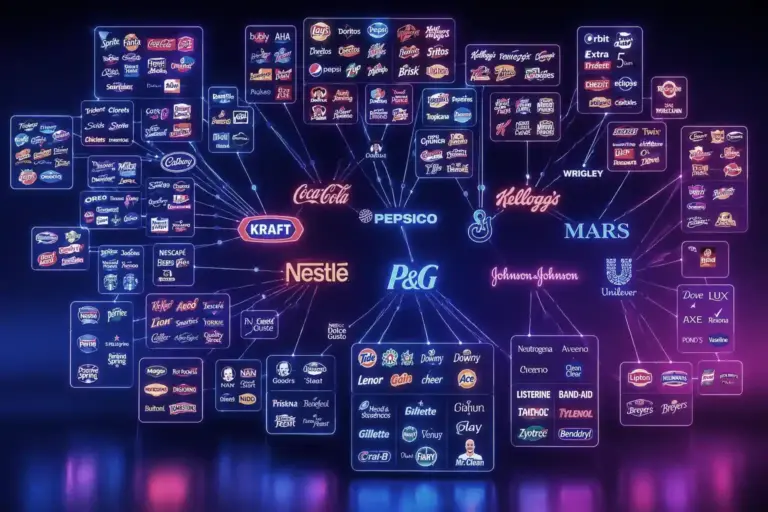
We use a number of branded products in our day-to-day life. But what you may not realize is that many of the commonly used brands—(such as Crest toothpaste, Pantene shampoo, Gillette shaving cream, Pringles chips and Duracell batteries) are in fact products of a single company, such as Proctor & Gamble (P&G). This case is not an exception it’s the norm. There are many more CPG/FMCG giants out there who maintain multi-brand portfolios within their product chain.

In theory, managing multiple brands is a good strategy for a CPG/FMCG/Retail company or any business in the B2C space. A varied product portfolio across different price brackets can reduce investments in overlapping product development and marketing efforts. Having a multi-brand portfolio can prevent competition from attaining a higher market share for the same type of products. This strategy can also increase healthy competition between various brand managers, leading to growth in sales figures.

Companies can also experiment with different brands in the portfolio by killing off weaker or ill-fitting components from the product range, thus freeing marketers to focus resources on stronger brands. Such brands will be positioned strategically compared to competition. This effectively reduces the complexity of marketing effort, and counteracts decreasing efficiency of traditional distribution channels.

The Reality

However in practice, B2C companies today face a tough challenge. Sustaining multiple brands in a demanding market with fragmented customer needs is not easy. Many brand managers today feel the need to cut down on their brand portfolio. This is easier said than done. Most companies and managers who work for them often react to this pressure by expanding rather than pruning their brand portfolios.

Role of Brand Managers

Brand managers play a very crucial role in deciding which brands to cull and which to promote. If a manager kills off an unproductive brand, it would mean the remaining brands in his portfolio must capture the affected brand’s volume in order to break even! The worst fear of businesses therefore, is making the wrong call and losing important market presence. This is apart from the fact that companies can punish brand managers for missing out on an emerging market-opportunity.

Technology Solutions to Portfolio Management

Many B2C giants in the recent past have reversed their traditional cautious approach and used the latest technology solutions for brand portfolio management. For example, Procter & Gamble has rolled out a successful global corporate strategy shift over the past few years that is also combined with digital power. They had a shake-up of their product portfolio, where they consolidated some product portfolios while others were pruned. Several other companies such as PepsiCo, Unilever and Nestlé have achieved rates of revenue growth two to five times greater than historic norms and saved 20% of overall marketing expenditure by managing brand portfolios much more effectively using digital innovation.

As per an article that was published by Huawei recently, customers now have new methods to communicate with companies and agile businesses can take advantage of opportunities to create new engagement platforms and expand the types of services they offer. Procter & Gamble has taken complete advantage of this situation. P&G is one of the largest B2C companies in the world, with annual sales of US$65 billion and operations across the globe. Despite being in business for 180 years, mobile has created one of the largest disruptions the company has experienced. (Read More)

How did these companies accomplish it?

They did it in part by establishing clear roles, relationships, and boundaries for their brands and then, within these guidelines, giving individual brand managers autonomy over not just branding and marketing but also over auxiliary activities such as product quality, packaging and even creating a memorable unboxing experience. Only Portfolio managers responsible for the portfolio as a whole would supervise these brand managers.

In addition to this, since new portfolio strategies frequently prompt reactions from competitors, in order to mitigate any unanticipated consequences, companies have opted for a robust data analytics system that highlight unexpected shifts in real time.

Of late, mobile technology has transformed everything from logistics to marketing. The advantage of mobile technology lies in its capability to expand reach of products among the target market. Moreover, the prevalence of internet makes it easier for the field sales staff to use applications that can collate market data, which can then be used to draw insights.

As per a recent report by BCG, “Demand-centric insights can help companies identify which of their smaller brands, if properly repositioned, enhanced, and extended, have growth headroom. In our experience, many small brands have an avid following that can be expanded by more clearly targeting them at attractive demand spaces. For these, added complexity is worthwhile. Brands lacking demand headroom are candidates for complexity reduction or divestiture.” (Read More)

Solutions that help Brand Managers

FMCG companies often focus on innovating the existing product portfolio while developing new ones. And brand managers have to be updated in real-time with all the vital market data and dashboards 24X7. For brand managers to succeed, they must master the technique of launching new products into the market at the right time.

“Large FMCG businesses are increasingly using data insights to manufacture better products, improve sales and the revenue per customer.”

This entails that brand managers adopt newer methods of data consolidation and visualization to understand, predict and prescribe new products that can sell. Technologies such as BI Analytics can be leveraged to find gaps in the market that will help launch or prune products.

Role of Mobile SFA in Brand Portfolio Management

Technology plays a huge role in successful product portfolio management. All key decisions that are going to be game changers are taken only after careful and in-depth analysis of several months of collated market data, trends, parameters, and demographic data among other metrics.

A major requirement/tool in the hands of the brand manager would be however, a centralized information system (CIS) that can analyze market data from various sources. Any modern Sales Force Automation System (SFA) can be used to collate such important data. Such a system would be a combination of a mobile-based information collection application to be used to collect data from the field, and a web/desktop based system with Business Intelligence capabilities that can analyse the data collected.

Mobile SFAs can act as the windows through which brand managers extract vital data from the field related to brand performance. They can also monitor resource performances from a grass roots level. SFAs feed valuable information such as sales promotion results, customer feedback, dispatch delays/mismatches, and so on to the support team working for the brand. This data can then be analysed with historical sales and production data to make quick decisions/actions. In addition, SFA systems help brand managers monitor demographic data with which they can align regional teams towards overall brand goals.

Conclusion

Many new Mobile SFA solutions providers are adding Business Intelligence, Machine Learning and other such AI-based applications into their product portfolio. It has become easier for managers to collect and analyse data using such advanced solutions that can provide a 360 degree view of all their brands, as well as monitor market performance of each brand real-time. In future, we would be able to use solutions that provide predictive or even prescriptive analysis of data.

Brand Portfolio management is always a rigorous and continuous process for any FMCG/CPG organization. For companies to succeed, setting the right portfolio strategy is absolutely crucial. Adding correct technology aids will help portfolio managers at the right time (the earlier the better) and can pay big dividends into the company’s bottom-line in the medium and long term.

Lastly, it has to be remembered that getting strategy and technology right is only part of the battle; companies must also make organizational changes if they are to adapt their brand portfolios quickly to match shifting trends, competitive responses, mergers, and new-product launches, while also managing the natural lifecycle of their existing brands. Since taking action with one often means doing so with another, companies must look into employing a skilled brand portfolio manager who can lead individual brand teams. This will be a person who can collect, understand, analyse data from different sources and create coherent logical solutions from them.

Experion has been working with world-class businesses in the FMCG/CPG sector to help them grow sales, engage field sales teams, grow market reach and enhance connection with the retailer. To know more about how Experion uses digital technologies to boost FMCG sales, write to us today at sales@experionglobal.com